
Why Is My Scalp So Oily? Causes, Treatments, and Prevention
If you find yourself washing your hair every single day and still struggling with a greasy, flat scalp by mid-afternoon, you're not alone. An oily scalp is one of the most common hair concerns in Australia, and yet it's also one of the most misunderstood. Many people respond to the grease by washing more often, reaching for stronger shampoos, or scrubbing harder — and end up making the problem significantly worse without realising it.
The truth is that an oily scalp isn't simply about having "dirty" hair. It's a physiological response shaped by genetics, hormones, lifestyle habits, and even the products sitting on your bathroom shelf. Understanding the root cause of your oily scalp is the first step toward actually fixing it — rather than just managing it day by day.
This guide covers everything you need to know: what an oily scalp actually is, what's driving yours, the mistakes that are quietly making it worse, and the most effective treatments and ingredients to bring your scalp back into balance. Whether you're dealing with occasional greasiness or a chronically oily scalp, you'll find practical, evidence-based answers here.
What Is an Oily Scalp?
An oily scalp occurs when the sebaceous glands attached to your hair follicles produce an excess of sebum — the natural oil that keeps your scalp and hair lubricated and protected. Sebum itself is not a bad thing. In the right amounts, it moisturises the scalp, maintains the skin barrier, and gives hair a natural, healthy sheen. The problem arises when sebum production goes into overdrive, leaving the scalp looking and feeling greasy far sooner than it should.
The scalp has a higher concentration of sebaceous glands than almost any other part of the body. This makes it particularly prone to excess oil production, especially when hormonal signals, environmental triggers, or product interference push the skin's oil regulation system out of balance. For some people, the scalp overproduces sebum consistently throughout their lives. For others, oiliness is intermittent — flaring up during stressful periods, hormonal shifts, or seasonal changes. Recognising which category you fall into helps determine the right approach to treatment.
Advertisement · Scroll to continue
Signs You Have an Oily Scalp
An oily scalp is fairly easy to identify once you know what to look for. The most obvious sign is hair that looks flat, greasy, or unwashed within a day or two of shampooing — sometimes even within hours. But oiliness often comes with a cluster of other symptoms that are easy to overlook or misattribute to other causes.
Common signs of an oily scalp include:
- Hair appearing greasy or limp before 24–48 hours after washing
- Scalp feeling sticky, heavy, or waxy to the touch
- Visible flakes that are yellowish or stick to the hair shaft (often confused with dandruff)
- An itchy or irritated scalp, particularly at the roots
- Hair that smells musty or unpleasant even shortly after washing
- Acne or pimples appearing along the hairline or forehead
- A persistent build-up of residue on the scalp even after shampooing
It's worth noting that flakiness associated with an oily scalp is different from the dry, white flakes of classic dandruff. Oily scalp flakes tend to be larger, yellowish in colour, and clump together rather than dispersing. If you're unsure whether your flakes are caused by dryness or excess oil, a scalp specialist or dermatologist can assess your scalp's condition accurately.
What Causes an Oily Scalp?
There's rarely a single reason why your scalp overproduces oil. In most cases, it's a combination of factors — some you can control and others you can't. Understanding each one helps you identify the most likely culprits in your situation.
Genetics
If your parents had an oily scalp, there's a good chance you will too. The size and activity level of your sebaceous glands is largely determined by genetics. People who inherit larger, more active oil glands simply produce more sebum — there's no avoiding this biological baseline. However, genetics sets the ceiling, not the floor. How you care for your scalp can still meaningfully influence how oily it becomes on a day-to-day basis, even if you can't change your genetic predisposition entirely.
Hormones
Hormones are one of the most powerful drivers of sebum production, which is why oily scalps are so common during puberty, pregnancy, menstruation, and menopause. Androgens — particularly testosterone and its derivatives — directly stimulate the sebaceous glands to produce more oil. This hormonal influence explains why many people notice a significant improvement in scalp oiliness after periods of hormonal fluctuation settle. Conditions like polycystic ovary syndrome (PCOS), which elevate androgen levels, can also result in a chronically oily scalp that doesn't respond well to standard treatments alone.
Overwashing
This is one of the most counterintuitive causes of an oily scalp. When you shampoo too frequently — especially with harsh, sulphate-heavy formulas — you strip the scalp of its natural oils more aggressively than it can handle. The scalp's response is to produce more sebum to compensate, creating a feedback loop where the more you wash, the oilier your scalp becomes. If you're washing your hair daily and still struggling with grease, your routine itself may be perpetuating the problem. Gradually spacing out washes and switching to a gentler formula can help recalibrate your scalp's oil production over several weeks.
Product Buildup
Heavy styling products — dry shampoos, leave-in conditioners, oils, and serums — can accumulate on the scalp and mix with sebum to create a thick, waxy coating that's difficult to remove with regular shampooing alone. This residue blocks follicles, traps oil close to the skin, and creates the appearance of an oilier, duller scalp. Many people mistakenly believe they have an overactive oil problem when the real issue is product buildup that hasn't been adequately cleared.
Climate
Heat and humidity accelerate sebum production and cause sweat to mix with oil on the scalp, intensifying the greasy feeling. If you live in a warm, humid climate — or simply experience oilier scalp during Australian summers — this environmental factor is likely contributing. Conversely, harsh air-conditioning can dry out the scalp and trigger a compensatory oil response. Seasonal oiliness is common and often benefits from a targeted treatment rotation rather than a permanent change to your entire routine.
Advertisement · Scroll to continue
Common Mistakes That Make Scalp Oilier
Beyond the root causes, certain everyday habits can quietly amplify scalp oiliness. Many of these are so normalised that people don't realise they're making things worse.
- Washing daily with stripping shampoos. Sulphate-heavy formulas remove oil too aggressively, triggering rebound sebum production. Daily washing becomes a cycle your scalp can't escape from.
- Applying conditioner to the scalp. Conditioner is formulated for the hair shaft, not the scalp. Applying it from roots to ends coats the scalp with heavy emollients that exacerbate oiliness. Always apply from mid-length to ends only.
- Touching your hair constantly. Your hands carry oils, bacteria, and product residue. Running your fingers through your hair throughout the day transfers all of this directly to the scalp, accelerating the greasy feeling.
- Over-brushing. While brushing distributes oil from roots to ends, excessive brushing overstimulates the sebaceous glands. Brush enough to detangle and distribute, but avoid aggressive over-brushing.
- Using hot water when washing. Hot water opens the cuticle and strips the scalp, prompting compensatory oil production. Washing with lukewarm or cool water is significantly more scalp-friendly.
- Skipping scalp exfoliation entirely. Without regular exfoliation, dead skin cells, product residue, and excess sebum accumulate on the scalp, blocking follicles and creating the appearance of persistent oiliness.
- Applying dry shampoo too close to the scalp. Dry shampoo is a temporary solution, but using it too frequently and too close to the root contributes to product buildup that compounds oiliness over time.
How to Treat an Oily Scalp
Effectively treating an oily scalp requires a multi-pronged approach — there's no single product or habit that solves the problem on its own. The most successful strategies combine the right cleansing routine, targeted treatments, and scalp-specific care.
Rebalance your washing frequency. If you're currently washing daily, gradually extend the interval. Start by going every second day, then push to every two to three days as your scalp adjusts. This recalibration process can take four to six weeks, during which your scalp may initially feel oilier before settling. Patience is essential. If you need support between washes, a lightweight, alcohol-free dry shampoo applied at arm's length can help absorb excess oil without further irritating the scalp.
Switch to a clarifying or balancing shampoo. A gentle, sulphate-free clarifying shampoo used weekly can remove accumulated sebum and product buildup without stripping the scalp. Look for formulas containing salicylic acid, tea tree oil, zinc pyrithione, or niacinamide — all of which actively regulate oil production rather than simply masking it. For very oily scalps, a dedicated scalp treatment shampoo used two to three times per week may be more effective than a daily gentle shampoo.
Add scalp exfoliation to your routine. A scalp scrub used once a week helps dissolve dead skin cells, product buildup, and excess sebum that regular shampooing can't address. Look for scrubs with fine physical exfoliants (like sugar or sea salt) combined with chemical exfoliants like salicylic acid for a thorough but non-abrasive result. If you're new to scalp scrubbing, start fortnightly and increase frequency as your scalp tolerates it.
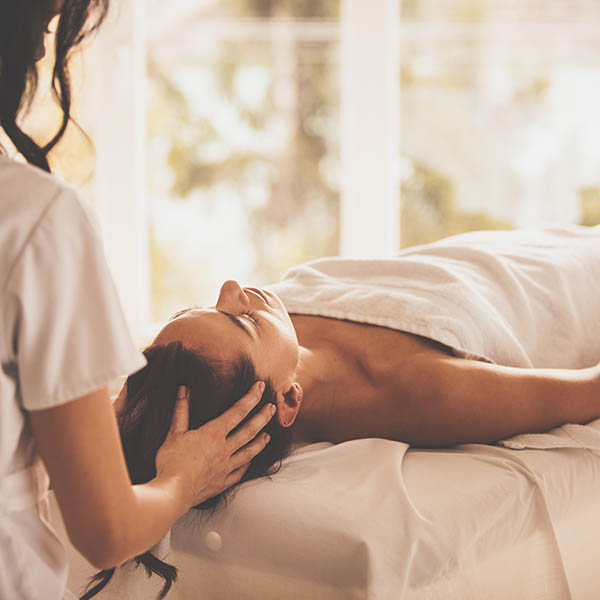
Consider a professional scalp treatment. For persistent or severe oiliness that doesn't respond to at-home care, a professional head spa treatment can provide a deeper reset. Specialised scalp massages improve circulation, help regulate oil gland activity, and allow concentrated treatment serums to penetrate more effectively than anything you can achieve at home. At Revive – Head Spa & Beauty, our scalp treatments are designed specifically to address excess oil production with professional-grade products and techniques that rebalance the scalp environment. Many clients notice a meaningful improvement after just one or two sessions.
Address lifestyle factors. Stress is a well-documented trigger of increased sebum production via cortisol pathways. Poor sleep, a diet high in refined sugars and dairy, and inadequate hydration can all influence scalp oiliness. These aren't always the primary cause, but they can exacerbate an already oily scalp and make it harder for treatments to work consistently.
Best Ingredients for Oily Scalp
The ingredient list on your scalp products matters enormously. These four actives have strong evidence behind them for managing oily scalp conditions.
Salicylic Acid
A beta-hydroxy acid (BHA) that is oil-soluble, allowing it to penetrate into the follicle and dissolve sebum, dead skin cells, and product residue from within. Salicylic acid is particularly effective for scalps that experience both oiliness and flaking, as it exfoliates while simultaneously clearing congested follicles. Look for concentrations of 0.5–2% in scalp-specific shampoos and treatment serums. It should be used two to three times per week rather than daily to avoid over-exfoliation.
Tea Tree Oil
A natural antimicrobial and anti-inflammatory ingredient that helps manage the overgrowth of Malassezia — a yeast naturally present on the scalp that can proliferate in sebum-rich environments and contribute to dandruff-like symptoms. Tea tree oil also has mild astringent properties that help reduce the oily feeling without aggressively stripping the scalp. Concentrations of 1–5% are effective; higher concentrations can cause irritation on sensitive scalps. Always look for it as part of a formulated product rather than applying pure essential oil directly.
Charcoal
Activated charcoal works as an adsorbent — it draws oils, toxins, and impurities to its surface like a magnet, allowing them to be rinsed away rather than sitting on the scalp. Charcoal-based shampoos and scalp masks are particularly effective for people with significant product buildup combined with oiliness, as they can lift heavy residue that standard shampoos struggle to remove. It's best used as a weekly or fortnightly deep-cleansing treatment rather than as part of a daily wash routine.
Niacinamide
Also known as vitamin B3, niacinamide is one of the most versatile scalp-active ingredients available. It regulates sebum production at the follicular level, reduces scalp inflammation, and strengthens the skin barrier — making it particularly valuable for oily scalps that are also experiencing sensitivity or irritation. Unlike some oil-controlling ingredients that work by stripping, niacinamide works by modulating the skin's own oil-production signalling, making it safe for daily use and suitable for all scalp types including those with oily roots and drier lengths.
Advertisement · Scroll to continue
Best Products for Oily Scalp
When shopping for oily scalp products, the formulation matters as much as the hero ingredient. Below are the key product categories to focus on, along with what to look for in each.
Clarifying shampoo: Choose a sulphate-free formula with salicylic acid, zinc pyrithione, or ketoconazole. Avoid formulas with heavy silicones (dimethicone, cyclopentasiloxane) listed in the top five ingredients, as these can accumulate on the scalp and worsen buildup over time. Use one to two times per week as a reset, rather than as your sole everyday shampoo.
Balancing shampoo (everyday use): For regular washing, a lightweight, balancing formula with niacinamide, panthenol, or green tea extract is ideal. These ingredients support scalp health without over-stripping. Avoid anything labelled "volumising" that contains heavy polymers, which can build up at the root.
Scalp scrub: Look for a scrub that combines physical and chemical exfoliation — sea salt or sugar with salicylic acid or AHA. Apply directly to a wet scalp, massage gently for two minutes, then shampoo as normal. Once per week is sufficient for most oily scalp types.
Scalp toner or serum: A leave-on scalp serum with niacinamide, salicylic acid at low concentration (0.5%), or witch hazel can be applied between washes to manage oil throughout the day. Apply directly to the scalp parting, not to the lengths, and allow to absorb fully before styling.
Dry shampoo (strategic use only): Reserve dry shampoo for genuine emergencies rather than as a daily tool. When you do use it, spray from at least 30cm away, allow it to absorb for 60 seconds, then massage it in and brush through to prevent buildup. Avoid going more than two applications before a proper wash.
When to See a Dermatologist
Most oily scalp cases respond well to consistent at-home care within four to eight weeks. However, there are situations where professional medical advice is warranted and shouldn't be delayed.
You should book an appointment with a dermatologist if you experience any of the following: your oily scalp is accompanied by significant hair loss or thinning; you have large, inflamed patches on the scalp that are painful, bleeding, or crusting; over-the-counter treatments have produced no improvement after eight weeks of consistent use; you have reason to believe a hormonal condition (such as PCOS or thyroid dysfunction) may be underlying the oiliness; or your scalp is severely itchy, red, or producing an unusual smell that doesn't respond to antifungal shampoos. In these cases, a dermatologist can perform a scalp analysis, hormone panel, or fungal culture to identify a precise cause and prescribe targeted treatment — including prescription-strength medicated shampoos, topical retinoids, or systemic medication where appropriate.
For non-medical scalp concerns — persistent mild-to-moderate oiliness, product buildup, or a general desire to improve scalp health — a professional scalp treatment at a head spa can be a highly effective and non-invasive step before escalating to a dermatologist. Many clients find that a course of professional scalp treatments significantly reduces oiliness and delays or eliminates the need for medical intervention.
Struggling With an Oily Scalp in Adelaide?
At Revive – Head Spa & Beauty, we specialise in treating oily and imbalanced scalps with professional-grade scalp analysis and customised treatment programmes. Located at 103B Jetty Road, Glenelg SA 5045, our therapists assess your scalp's unique condition and apply the right combination of exfoliation, massage, and targeted actives to rebalance your scalp — often from the very first session. If you're tired of greasy roots and endless dry shampoo, come in for a proper scalp reset.
Explore Our Scalp TreatmentsFrequently Asked Questions
Why does my scalp get oily so fast even after washing?
Rapid oiliness after washing is usually caused by one of three things: a genetic tendency toward high sebum production, a rebound effect from washing too frequently with harsh shampoos, or product buildup that isn't being properly cleared between washes. If your scalp is oily within hours of shampooing, try extending your wash interval, switching to a gentler sulphate-free formula, and adding a weekly scalp scrub to your routine. Many people notice significant improvement within three to four weeks once they break the overwashing cycle.
Can an oily scalp cause hair loss?
An oily scalp doesn't directly cause hair loss, but it can create conditions that contribute to it indirectly. Excess sebum can block follicles, encourage the growth of Malassezia yeast (linked to seborrhoeic dermatitis), and create chronic inflammation — all of which can impair healthy hair growth over time. If you're noticing increased shedding alongside scalp oiliness, it's worth seeing a dermatologist to rule out scalp-specific conditions or androgenic alopecia, which often presents with both oiliness and hair thinning.
Advertisement · Scroll to continue
Is an oily scalp the same as dandruff?
Not exactly, though they often occur together. Classic dandruff (caused by Malassezia overgrowth or scalp dryness) produces small, white, dry flakes. An oily scalp can produce larger, yellowish, waxy flakes that stick together — this is more characteristic of seborrhoeic dermatitis, a condition closely linked to excess sebum. True dandruff from a dry scalp is actually less common than many people think. If your flakes are oily-looking and persistent, an antifungal or salicylic acid shampoo is likely more effective than a standard dandruff formula.
Does diet affect scalp oiliness?
Diet can influence sebum production, though it's rarely the primary cause. High-glycaemic foods, dairy products, and refined carbohydrates have been linked to increased androgen activity, which in turn stimulates sebaceous glands. A diet rich in omega-3 fatty acids (found in fatty fish, flaxseed, and walnuts), antioxidants, and adequate hydration supports a healthier skin barrier and may reduce chronic inflammation that contributes to oiliness. Dietary changes tend to be a supportive measure rather than a standalone fix, but they can noticeably reinforce the effects of a good topical routine.
How long does it take for an oily scalp to improve?
With a consistent routine change, most people see meaningful improvement within four to eight weeks. The first two to three weeks are often the hardest — particularly if you're transitioning from daily washing — as the scalp may temporarily produce more oil before recalibrating. If you add a weekly scalp scrub and switch to a balancing shampoo, you're likely to see faster improvement. Oily scalps caused by hormonal fluctuations may take longer to stabilise and may benefit from concurrent medical support alongside topical care.
Final Thoughts
An oily scalp is rarely caused by a single factor, and it almost never responds to a single fix. The most effective approach combines understanding your personal triggers — whether they're genetic, hormonal, product-related, or habitual — with a consistent routine built around the right cleansing frequency, targeted active ingredients, and regular exfoliation. Small changes, done consistently, tend to outperform aggressive interventions that shock the scalp into short-term compliance before the oil bounces back.
If you've tried adjusting your routine for several weeks without improvement, or if your oily scalp is accompanied by more concerning symptoms like hair loss or scalp inflammation, don't hesitate to seek professional guidance — either from a head spa therapist for a scalp assessment, or a dermatologist for a medical evaluation. Your scalp health is a worthwhile investment, and the right combination of professional and at-home care can make a lasting difference.