Can Head Spa Reduce
Stress and Anxiety?
What the science says about scalp massage, stress hormones, and your nervous system
Stress and anxiety are among the most common barriers to good sleep and overall wellbeing. But can a head spa actually lower the hormones driving your anxiety — and could that translate into better sleep? The short answer is yes, and there is real clinical evidence to back it up.
If you've ever walked out of a head spa feeling like the weight of the world had lifted from your shoulders, you already know the answer intuitively. This article explores exactly how head spa stress reduction works, what happens to your body's stress hormones during and after a scalp massage for stress relief, and why making it a regular habit could be one of the most effective natural tools in your anxiety management toolkit.
If you're also curious about how these effects carry over into the night, check out our main guide:
Advertisement · Scroll to continue
(Kim et al., 2016)
10-minute head massage (Fazeli, 2016)
reduced with regular scalp massage
The Stress Hormone Connection: What's Happening Inside Your Body
When you're stressed, your body floods your bloodstream with cortisol and norepinephrine — the primary stress hormones. Cortisol is often called the "fight-or-flight" hormone. In short bursts it's useful, but when levels stay elevated for hours or days — as happens with chronic stress and anxiety — the consequences can be wide-ranging: poor sleep, high blood pressure, weakened immunity, and persistent feelings of tension or dread.
Norepinephrine works alongside cortisol to keep the nervous system in a heightened state of alertness. The result is a body that simply won't switch off — a major driver of both anxiety and insomnia.
This is exactly where head spa scalp massage intervenes at a biological level.
What the Research Says: Kim et al. (2016)
The most directly relevant study on scalp massage and stress hormones is Kim et al. (2016), a randomised controlled trial conducted on healthy female office workers — a population well-acquainted with chronic workplace stress.
Kim et al. (2016) — RCT, n=34 | 10-Week Intervention
- Intervention: Participants received scalp massage for 15–25 minutes, twice per week, over a 10-week period.
- Cortisol results: Scalp massage produced a statistically significant decrease in cortisol levels compared to the control group (p < 0.05).
- Norepinephrine results: Norepinephrine — the secondary stress hormone — also dropped significantly in the massage group versus controls.
- Blood pressure: Both systolic and diastolic blood pressure decreased, confirming a genuine physiological shift toward calm.
These are not small, anecdotal findings. A measurable, repeatable reduction in two key stress hormones from a non-pharmacological, low-risk intervention is clinically meaningful — and it has direct implications for anyone seeking anxiety relief through scalp massage.
How Cortisol and Sleep Are Connected
Understanding the cortisol-sleep link helps explain why head spa stress reduction matters beyond simply feeling relaxed in the moment.
Cortisol naturally follows a daily rhythm — high in the morning to help you wake up, and low at night to allow sleep onset. Chronic stress disrupts this rhythm. Elevated evening cortisol creates hyperarousal: the brain stays on high alert, racing thoughts won't quiet down, and the body resists the transition to sleep.
When scalp massage lowers cortisol, it helps restore this natural rhythm. The parasympathetic nervous system — the "rest and digest" counterpart to the stress response — gets a chance to take over. Heart rate slows. Muscle tension releases. The mind settles.
Advertisement · Scroll to continue
This is the direct physiological pathway from head spa anxiety relief to better sleep quality. Less cortisol in the evening means less hyperarousal — and an easier time falling and staying asleep.
The Parasympathetic Activation Effect
The stress-relieving power of head spa scalp massage isn't limited to hormone reduction. Physical touch on the scalp stimulates sensory receptors — including trigeminal nerve pathways and skin mechanoreceptors — that send calming signals directly to the brain.
A separate RCT (Fazeli et al., 2016) found that just 10 minutes of head massage increased heart-rate variability (HRV) — a key marker of parasympathetic activity — by approximately 66% (p = 0.017), while also reducing heart rate. Higher HRV is associated with greater resilience to stress, better emotional regulation, and a calmer baseline nervous system state.
In plain terms: a scalp massage for stress relief doesn't just feel relaxing — it measurably shifts your nervous system out of "fight-or-flight" and into "rest and recover." For people dealing with anxiety, this shift can feel profound.
How Often Should You Get a Head Spa for Stress Relief?
Based on the Kim et al. study protocol and general massage therapy recommendations, the following guidelines are a practical starting point for using head spa for anxiety relief:
| Factor | Recommendation | Why It Matters |
|---|---|---|
| Frequency | 2–3 sessions per week | Matches the evidence-based protocol that produced measurable cortisol reduction |
| Duration | 15–25 min (scalp); 45–60 min (full professional head spa) | Clinical study used 15–25 min; full session adds neck and shoulder work for deeper effect |
| Timing | Afternoon or early evening | Eases the transition out of the workday stress cycle; primes the body for a calmer night |
| Consistency | Maintain for 8–10 weeks | The 10-week Kim et al. trial confirms cumulative practice produces the strongest results |
What Happens During a Head Spa Session That Reduces Anxiety?
A professional head spa session typically combines several elements, each contributing to the stress reduction effect:
Scalp Massage Techniques
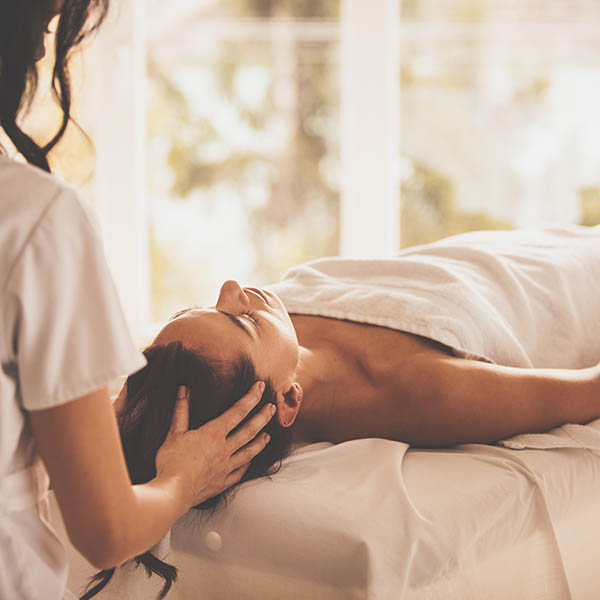
Effleurage, kneading, circular finger-pressure, and acupressure at the temples and base of the skull directly stimulate the relaxation response and release physical tension.
Neck & Shoulder Integration
Most people carry enormous tension here when anxious. Quality head spas extend to these areas, releasing muscle tightness that feeds the stress cycle.
Aromatherapy Enhancement
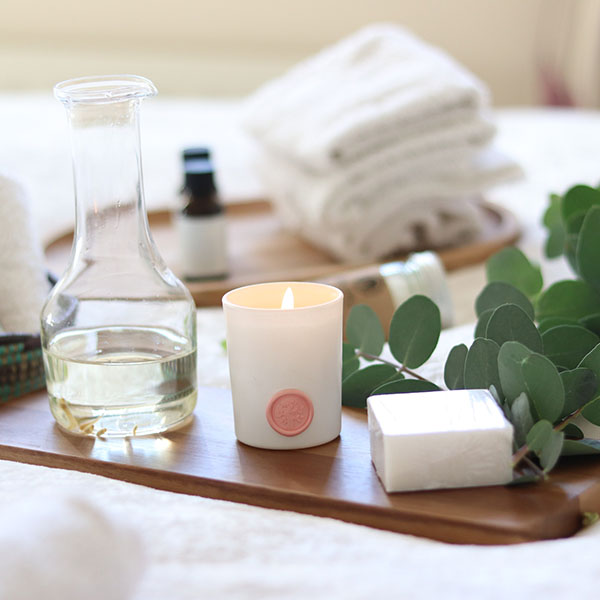
Lavender and chamomile oils have their own independent evidence base for anxiety relief. Combined with touch, the relaxation response is amplified.
The Ritual Itself
Dedicated time in a calm, sensory environment creates a powerful psychological cue for the nervous system to downshift — an effect that builds over time.
Advertisement · Scroll to continue
Can You Get Stress Relief from a DIY Scalp Massage?
Yes — self-administered scalp massage for stress relief can produce meaningful benefits, though a professional session typically provides a more complete experience. For daily or between-session maintenance, a 10–15 minute self-massage routine is a practical option:
- Use your fingertips (not nails) to make slow, firm circular motions across the entire scalp, starting at the hairline and working toward the crown.
- Apply gentle sustained pressure to the temples and the base of the skull — the two most common tension-holding zones during anxiety.
- Add a few drops of diluted lavender oil for an aromatherapy boost that compounds the parasympathetic effect.
- Breathe slowly and deliberately throughout — deep nasal breathing actively engages the vagus nerve and amplifies the calming signal.
Doing this in the evening, as part of a consistent pre-bed ritual, helps train your body to associate the practice with calm — and over time, the stress-reducing effects become more pronounced and more automatic.
Important Caveats: What the Evidence Doesn't Yet Tell Us
The research on scalp massage for stress and anxiety is promising but still early. A few honest caveats are worth noting:
- Sample sizes in existing studies are small — the Kim et al. trial involved 34 participants. Larger, more diverse trials are needed to confirm findings across different populations.
- Most studies measure short-to-medium term effects (up to 10 weeks). Long-term data is currently limited.
- The existing studies focus on healthy adults or office workers — evidence specifically for clinical anxiety disorders is sparse.
- Head spa is not a substitute for evidence-based anxiety treatments such as CBT, medication, or therapy. It works best as a complementary tool alongside established care.
The Bottom Line
Regular head spa scalp massage can measurably reduce cortisol and norepinephrine with consistent practice. The mechanism is well-understood, the clinical data is real, and the risk profile is minimal. And because lower stress hormones translate directly to lower hyperarousal at bedtime, the benefits don't stop when you leave the spa — they follow you into the night.
Explore: Can Head Spa Improve Sleep?