
BIAB Aftercare: How to Make It Last
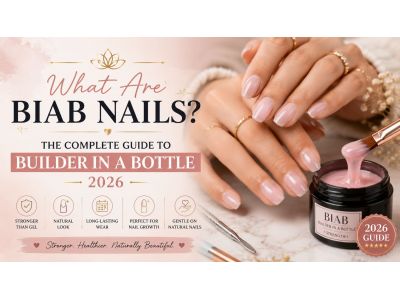
Builder in a Bottle, better known as BIAB, has become one of the most popular nail treatments in Australia thanks to its strength, flexibility and natural-looking finish. If you're new to the treatment or just did a bit of research, you may have already read our complete guide to BIAB nails, which covers exactly what the treatment involves and why so many clients are switching from acrylics and gel.
But getting a beautiful set of BIAB nails is only half the story. What you do in the days and weeks afterwards has a huge impact on how long your manicure actually lasts, how healthy your natural nails stay underneath, and whether you get four glorious weeks of wear or find yourself back in the chair after ten days with lifting and chips. This guide walks you through a proper BIAB aftercare routine, the common mistakes that shorten wear time, and the small daily habits that make the biggest difference.
Whether this is your first BIAB set or your fiftieth, a refresher on aftercare is never wasted. Nail technicians see the same avoidable issues over and over, and almost all of them come down to what happens at home between appointments rather than anything that went wrong during the application itself.
Why Aftercare Matters for BIAB Nails
BIAB is applied as a flexible, hard-wearing gel that bonds to the natural nail and cures under UV or LED light. Unlike acrylic, which sits as a rigid overlay, BIAB is designed to flex slightly with the natural nail, which is part of why it feels so comfortable to wear. That flexibility, however, also means the product responds to how you treat your hands day to day. Excess moisture, harsh chemicals, picking, and knocks can all weaken the bond between the product and the nail plate over time, leading to lifting at the edges or premature chipping.
Advertisement · Scroll to continue
Good aftercare isn't about being precious with your hands or avoiding normal life. It's a handful of simple habits that protect the seal between the BIAB and your natural nail, keep your cuticles healthy, and stop small issues becoming big ones. Get this right and a well-applied BIAB set can comfortably last three to four weeks with minimal wear and tear.
The First 24 to 48 Hours
The period right after your appointment is when the product is technically fully cured, but your nails and surrounding skin are still adjusting. Try to avoid submerging your hands in very hot water for extended periods on the day of your appointment, as heat and prolonged soaking can affect how well the product has bonded. This includes long baths, hot yoga, saunas, or extended dishwashing sessions.
It's also worth being a little more careful than usual with your hands for the first day or two simply because you're not used to the slightly different feel and length of your new nails. Small adjustments, like using the pads of your fingers to type or opening cans with a bit more care, help avoid accidental knocks while you get used to the new shape.
Building a Daily Aftercare Routine
Once the initial settling-in period is over, the goal shifts to long-term maintenance. The single most effective habit you can build is applying cuticle oil daily. BIAB, like all gel-based systems, can dehydrate the skin around the nail over several weeks of wear. Cuticle oil replenishes moisture, keeps the surrounding skin flexible, and actually helps protect the seal at the edge of the nail where lifting most commonly starts.
A simple daily routine that works:
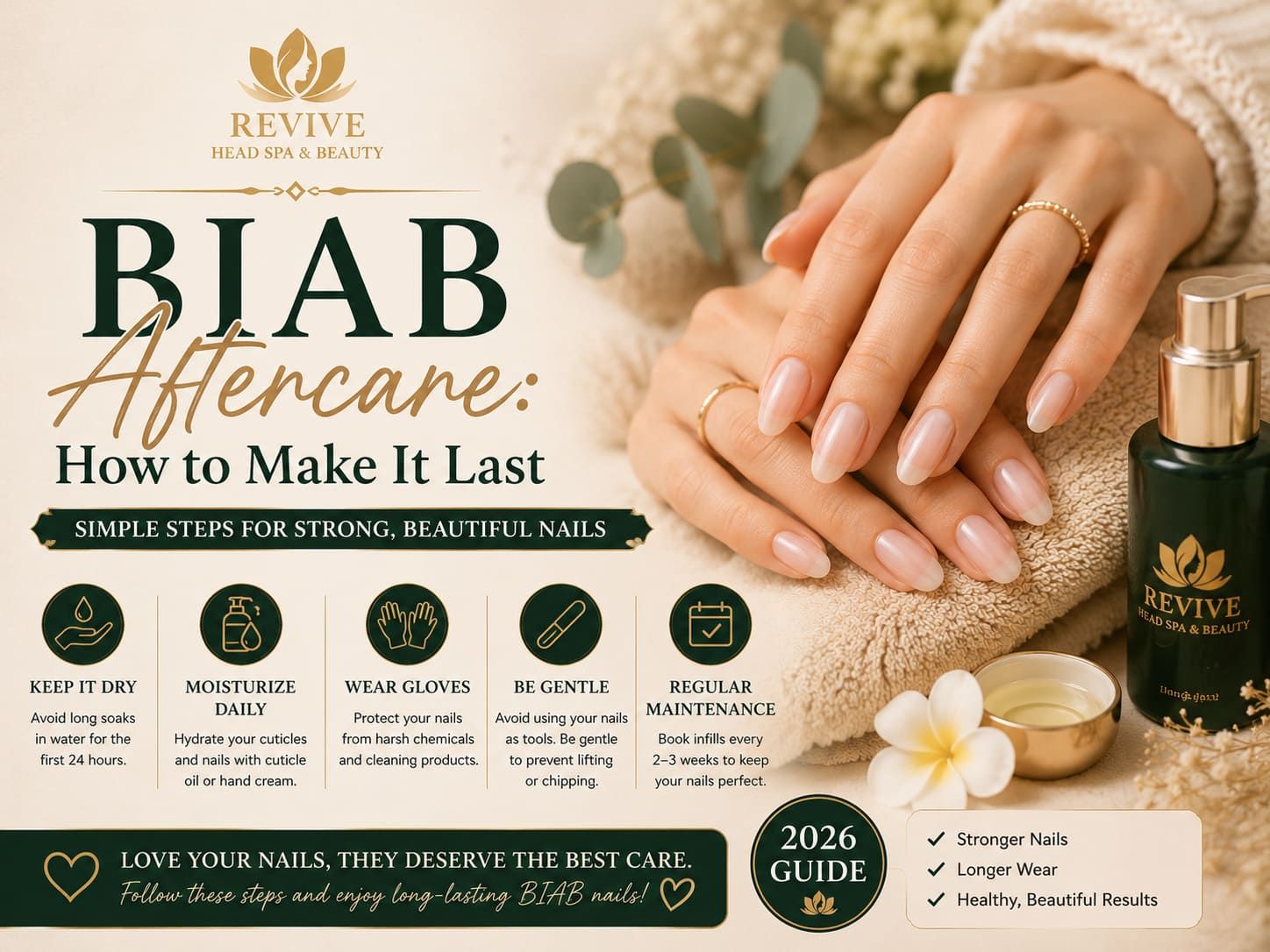
- Apply cuticle oil to the base of each nail morning and night, massaging it in gently.
- Wear gloves for washing dishes, cleaning with chemicals, or gardening.
- Apply hand cream after washing your hands to counteract the drying effect of soap and sanitiser.
- Use your nails as little as possible as tools — no opening cans, scratching off labels, or picking at stickers.
- Book a fill or maintenance appointment at the two to three week mark rather than waiting for visible lifting.
None of these steps take more than a minute or two, but done consistently they're the difference between a set that looks fresh for a full month and one that starts lifting after a week and a half.
What to Avoid
Certain habits are particularly hard on BIAB nails and worth actively avoiding. Picking or peeling at the product, even a small lifted edge, almost always pulls off a layer of the natural nail underneath along with it, which weakens the nail and makes future lifting more likely. If you notice any lifting, the better approach is to book in for a professional repair rather than picking at it yourself.
Prolonged water exposure is another common culprit. Long baths, extended time in a pool or the ocean, and repeated hand washing without reapplying cuticle oil afterwards all soften the product and the surrounding skin over time. This doesn't mean you need to avoid water altogether, but being mindful of how long your hands are submerged, and moisturising afterwards, goes a long way.
Household chemicals, particularly bleach-based cleaning products and acetone-based items, can also degrade BIAB over time if they come into regular direct contact with the nails. Wearing gloves for cleaning tasks protects both your BIAB manicure and your skin.
Advertisement · Scroll to continue
How Long Does BIAB Actually Last With Good Care?
With a solid aftercare routine, most clients comfortably get three to four weeks of wear from a BIAB set before a fill or reapplication is needed. Nail growth rate varies from person to person, so some clients may prefer a fill slightly earlier around the two and a half week mark simply for aesthetic reasons, even if the product itself is still holding up well structurally.
It's worth noting that "lasting" and "looking freshly done" are two slightly different things. The product can remain structurally intact for a month or more, but as your natural nail grows out, the visible gap at the cuticle becomes more noticeable. Many clients choose to book a fill around the three-week mark for this reason, even if there's no lifting or damage present.
Signs You Need a Refill or Repair
A few signs indicate it's time to book back in rather than waiting it out. Visible lifting at the edges, especially near the cuticle, is the clearest sign, as trapped moisture underneath a lifted section can lead to fungal issues if left unaddressed. A noticeable gap between the product and your cuticle as your natural nail grows is a cosmetic reason to rebook rather than a structural one. And any cracking, especially at the free edge or across the nail, should be repaired professionally rather than left to worsen or glued at home.
If you're ever unsure whether a set needs a full removal and reapplication versus a simple fill, your technician can assess this quickly during a consultation. It's always better to ask than to guess.
BIAB Aftercare vs Other Nail Systems
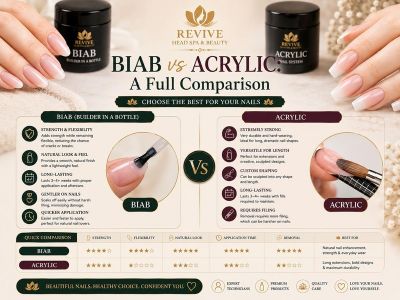
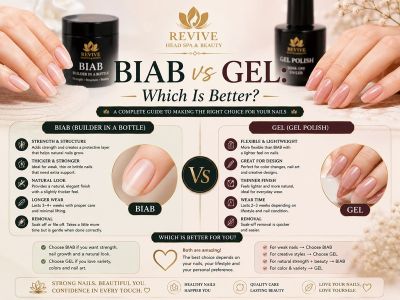
If you've previously worn acrylics or traditional gel, you might be used to a slightly different aftercare routine. BIAB tends to be more forgiving day to day, but is more sensitive to picking than acrylic, since the product bonds more closely to the natural nail. If you're comparing your options, our guides on BIAB versus gel nails and BIAB versus acrylic nails break down the practical differences in wear, removal and day-to-day durability in more detail.
If you're curious about the structural side of things, our piece on how a BIAB overlay actually works explains why the product behaves the way it does and why aftercare has such a direct impact on longevity.
When It's Time to Remove Rather Than Fill
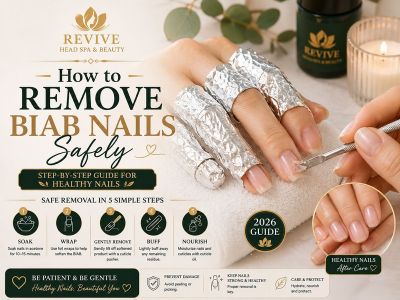
Eventually, every BIAB set needs to come off, whether that's for a fresh reapplication or a break between sets. Removing BIAB requires a specific process to avoid damaging the natural nail, and it's not something we'd recommend doing at home with metal tools or by picking. Our guide on how to remove BIAB nails safely walks through the proper soak-off process step by step, including how to protect your natural nails during the transition.
Good aftercare during your BIAB set actually makes removal easier too. Nails that have been well moisturised and haven't been picked at tend to soak off more cleanly and with less damage to the natural nail plate underneath.
Budgeting for Ongoing Maintenance
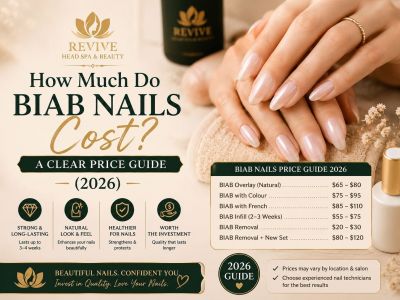
Since fills and maintenance appointments are part of getting the most out of BIAB, it's worth factoring this into your overall budget rather than just the cost of the initial set. Our BIAB nails cost guide breaks down typical pricing for full sets, fills and removals across Australia, which can help you plan out a realistic maintenance schedule based on how often you'd like to rebook.
If you're still deciding whether BIAB is the right choice for you compared to other options, our article on the benefits of BIAB nails covers the durability, flexibility and natural finish that make it such a popular choice, and how that translates into everyday wear.
Looking for BIAB in Glenelg? Visit Revive – Head Spa & Beauty
If you're based in Adelaide and want a BIAB set applied with proper technique from the start, Revive – Head Spa & Beauty at 103B Jetty Road, Glenelg SA 5045 offers BIAB nail treatments alongside their signature head spa and beauty services. A careful application paired with the aftercare tips above sets you up for the longest possible wear between visits.
Explore Our ServicesFor a broader look at where to get BIAB done well in South Australia, our roundup of the best places to get BIAB in Adelaide covers a handful of trusted local salons worth considering, alongside what to look for in a good technician.
Advertisement · Scroll to continue
Frequently Asked Questions
Q: How often should I apply cuticle oil to BIAB nails?
A: Twice a day is ideal, once in the morning and once before bed. Consistency matters more than quantity, so a small amount applied regularly is more effective than a large amount applied occasionally.
Q: Can I shower and wash dishes normally with BIAB nails?
A: Yes, everyday water contact is fine. The main thing to watch is prolonged submersion, such as long baths or extended dishwashing without gloves, which can soften the product and surrounding skin over time.
Q: Is it normal for BIAB to feel slightly different to natural nails?
A: Some clients notice a slight difference in flexibility and thickness compared to their bare nails, though BIAB is designed to feel much closer to natural nails than acrylic. This sensation usually fades within the first day or two as you adjust.
Q: What should I do if my BIAB starts lifting before my next appointment?
A: Book in for a repair rather than picking at the lifted section yourself. Picking can remove layers of the natural nail underneath, which weakens it and makes future lifting more likely.
Q: Can I paint over BIAB with regular nail polish between appointments?
A: Generally BIAB doesn't need topping up with regular polish since the finish is designed to stay glossy, but if you'd like a colour change between fills, it's worth asking your technician for the best approach so the base coat isn't compromised.
Final Thoughts
BIAB nails are a genuinely low-maintenance option compared to a lot of other nail treatments, but "low-maintenance" doesn't mean "no maintenance." A daily habit of cuticle oil, sensible glove use for cleaning and chemical exposure, and resisting the urge to pick are really all it takes to get the full three to four weeks of wear out of a set. Combined with a well-timed fill appointment, good aftercare is what separates a BIAB set that still looks freshly done at week three from one that's chipped and lifting by week two.
If you have any questions about caring for your specific set, your nail technician is always the best source of tailored advice, particularly if you notice anything unusual like discolouration, softening, or discomfort that goes beyond normal wear.