
BIAB vs Gel: Which Is Better?
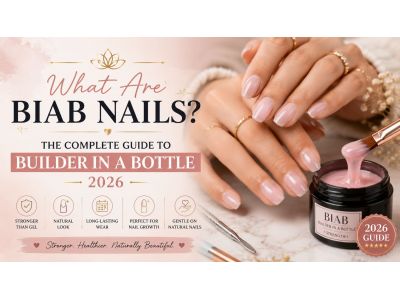
If you've been comparing nail treatments, you've probably noticed that "gel" gets used to describe quite a few different things, from a simple coloured gel polish to a full builder gel overlay. This can make it genuinely confusing to know what you're actually choosing between. If you're still getting familiar with the basics, our complete guide to BIAB nails is a good place to start before diving into this comparison.
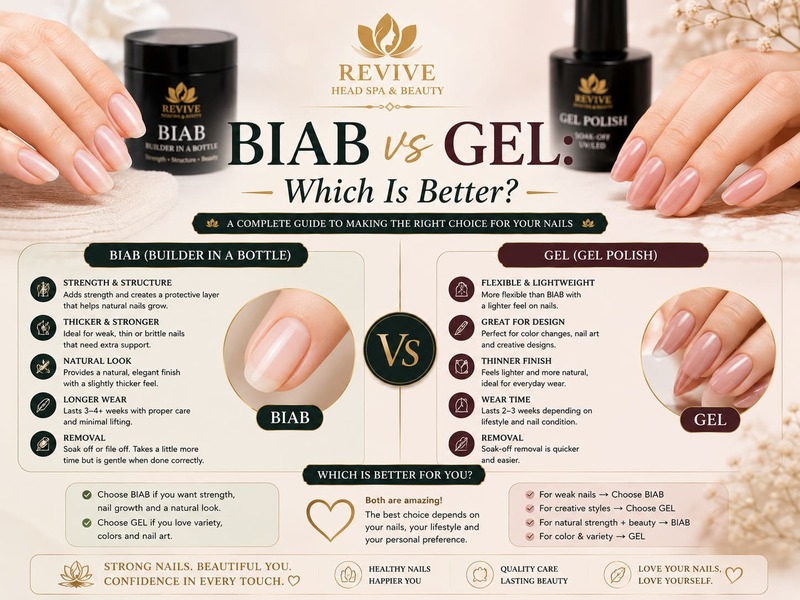
In this guide, "gel" refers to standard gel polish, the coloured, glossy product applied thinly over the natural nail primarily for colour and shine. BIAB, or Builder in a Bottle, is a thicker, structural product designed to add strength as well as a glossy finish. Both are cured under UV or LED light, both look great, but they serve genuinely different purposes, and picking the wrong one for your needs is a common reason people end up disappointed with a set.
This guide compares the two across strength, wear time, cost, application, removal and overall finish, so you can work out which one actually suits your nails and lifestyle.
Advertisement · Scroll to continue
Quick Comparison
| Factor | BIAB | Gel Polish |
|---|---|---|
| Primary purpose | Strength + colour | Colour + shine |
| Typical wear time | 3–4 weeks | 2–3 weeks |
| Best for | Soft, thin or weak nails | Nails already reasonably strong |
| Application time | Longer, multiple cured layers | Shorter, thin layers |
| Removal method | Acetone soak-off, careful process | Acetone soak-off, generally quicker |
| Feel on the nail | Slightly firmer, structural | Light, close to natural nail |
Strength and Durability
This is really where the two products differ most. BIAB is formulated specifically to reinforce the natural nail, building strength through several thin, fully cured layers. This makes it a popular option for people whose natural nails are soft, thin, or prone to splitting and breaking, since the overlay provides genuine structural support rather than just a decorative coating.
Standard gel polish, by contrast, offers very little structural reinforcement. It's designed to sit as a thin, glossy layer of colour over the natural nail, and while it does offer some protection against chipping compared to regular polish, it won't meaningfully strengthen a weak or brittle nail the way BIAB does. If your natural nails are already strong and you mainly want colour and shine, gel polish does the job well without the extra application time BIAB requires.
Wear Time
With good aftercare, BIAB typically lasts three to four weeks before a fill is needed, thanks to its stronger structural bond and layered application. Our BIAB aftercare guide covers the daily habits that help you get the most out of that wear time.
Gel polish generally holds up for two to three weeks before chipping or lifting becomes noticeable, particularly around the free edge and tips of the nails where daily wear is greatest. This isn't a flaw in gel polish, it's simply a reflection of the product being thinner and less structurally reinforced than BIAB.
Application Process and Time in the Chair
Because BIAB is built up in several thin layers, each fully cured before the next is applied, a full BIAB set generally takes longer in the chair than a gel polish application. Our article on how a BIAB overlay actually works breaks down this layered process in detail, including why each curing step matters for the overall strength of the set.
Gel polish, being a thinner product without the same structural building process, is typically quicker to apply, which is part of why it's often chosen for a fast colour refresh between BIAB fills or for anyone who prefers shorter appointments.
Removal
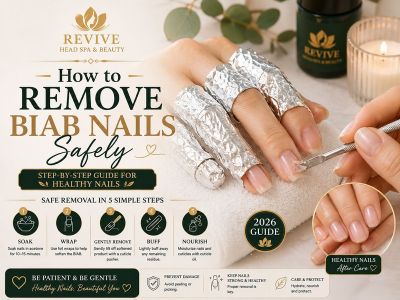
Both BIAB and gel polish are removed using an acetone soak-off method rather than being peeled or filed off. However, because BIAB is thicker and bonds more firmly to the nail, it generally takes a little longer to soak off fully compared to a thin layer of gel polish. Our guide on how to remove BIAB nails safely walks through the proper process step by step, which applies with a shorter soak time for standard gel polish removal too.
Picking or peeling either product off rather than soaking it properly can damage the natural nail underneath, so the same care applies regardless of which treatment you've had.
Advertisement · Scroll to continue
Cost Considerations
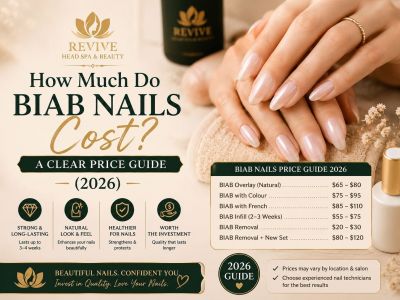
BIAB tends to sit at a slightly higher price point than standard gel polish, reflecting the longer application time and the structural benefits it provides. However, because BIAB typically lasts a week or so longer than gel polish, the cost per week of wear often ends up fairly comparable between the two. If you're budgeting for either option, our BIAB nails cost guide breaks down typical pricing for full sets, fills and removals.
Which One Should You Choose?
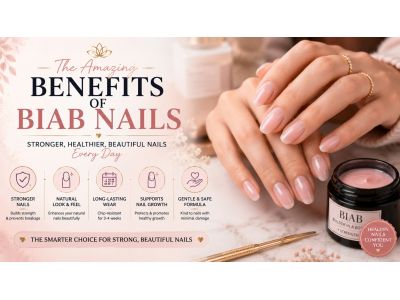
If your natural nails are soft, thin, or prone to breaking, or if you simply want a set that holds up well for a full three to four weeks with minimal chipping, BIAB is generally the better choice. It's also a good option if you've struggled with acrylic feeling too heavy or rigid but still want structural support. Our article on the benefits of BIAB nails covers the full range of advantages in more detail.
If your nails are already reasonably strong and healthy, and you mainly want a quick, glossy colour change without the extra time or cost of a structural overlay, standard gel polish is a perfectly good option. Many clients actually alternate between the two, opting for BIAB when they want longer-lasting strength and gel polish for a faster refresh in between.
How Does BIAB Compare to Acrylic Too?
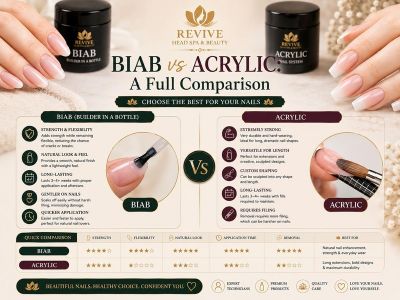
If you're weighing up all your options rather than just BIAB versus gel, it's worth also looking at how BIAB stacks up against acrylic, which sits at the more rigid, longer-length end of the spectrum. Our comparison guide on BIAB versus acrylic nails covers the differences in strength, flexibility, application and removal between these two options.
Not Sure Which to Choose? Visit Revive – Head Spa & Beauty
If you're in Adelaide and would like personalised advice on whether BIAB or gel polish suits your nails best, Revive – Head Spa & Beauty at 103B Jetty Road, Glenelg SA 5045 offers both treatments alongside their full range of head spa and beauty services. A quick consultation can help you find the right fit for your nail type and lifestyle.
Explore Our ServicesIf you'd like to see some local options before booking, our roundup of the best places to get BIAB in Adelaide highlights a few trusted salons worth considering.
Frequently Asked Questions
Q: Is BIAB the same thing as gel nails?
A: Not exactly. BIAB is a type of builder gel designed to add structural strength, while standard gel polish is a thinner, purely decorative product. Both are cured under UV or LED light, but they serve different purposes.
Q: Does BIAB damage nails more than gel polish?
A: Not when applied and removed correctly. BIAB is actually often chosen to protect and strengthen weak nails. Damage from either product usually comes from picking or improper removal rather than the product itself.
Q: Can I get BIAB with colour, or is it always clear?
A: BIAB is available in clear, sheer pink and a range of coloured options, so you can get the structural benefits of BIAB along with a full colour finish, similar to gel polish.
Q: Which lasts longer, BIAB or gel polish?
A: BIAB generally lasts three to four weeks, while gel polish typically lasts two to three weeks, thanks to BIAB's thicker, more structurally reinforced application.
Advertisement · Scroll to continue
Q: Is BIAB more expensive than gel polish?
A: Usually slightly, reflecting the longer application time and added strength, though the cost per week of wear is often comparable given BIAB's longer-lasting nature.
Final Thoughts
There's no single right answer between BIAB and gel polish, it really comes down to what your natural nails need and what you're after from a set. BIAB is the stronger, longer-lasting choice, particularly useful for weak or thin nails, while gel polish is a lighter, quicker option for anyone whose nails are already in good shape and who mainly wants colour and shine. Knowing the difference means you're far more likely to walk away happy with whichever one you choose.
If you're still unsure, a conversation with your nail technician about your natural nail condition and how you use your hands day to day is the best way to land on the right treatment for you.