Massage Therapy for Insomnia: Can It Really Help You Sleep Better?
Millions of Australians are no strangers to lying awake at night, staring at the ceiling while their minds race through tomorrow's to-do lists. Insomnia — whether it's difficulty falling asleep, staying asleep, or waking far too early — is one of the most common health complaints in the country, and the consequences stretch far beyond simply feeling tired. Chronic sleep deprivation affects mood, concentration, immune function, and long-term cardiovascular health. And yet, many people are still searching for a solution that doesn't come in a pill bottle.
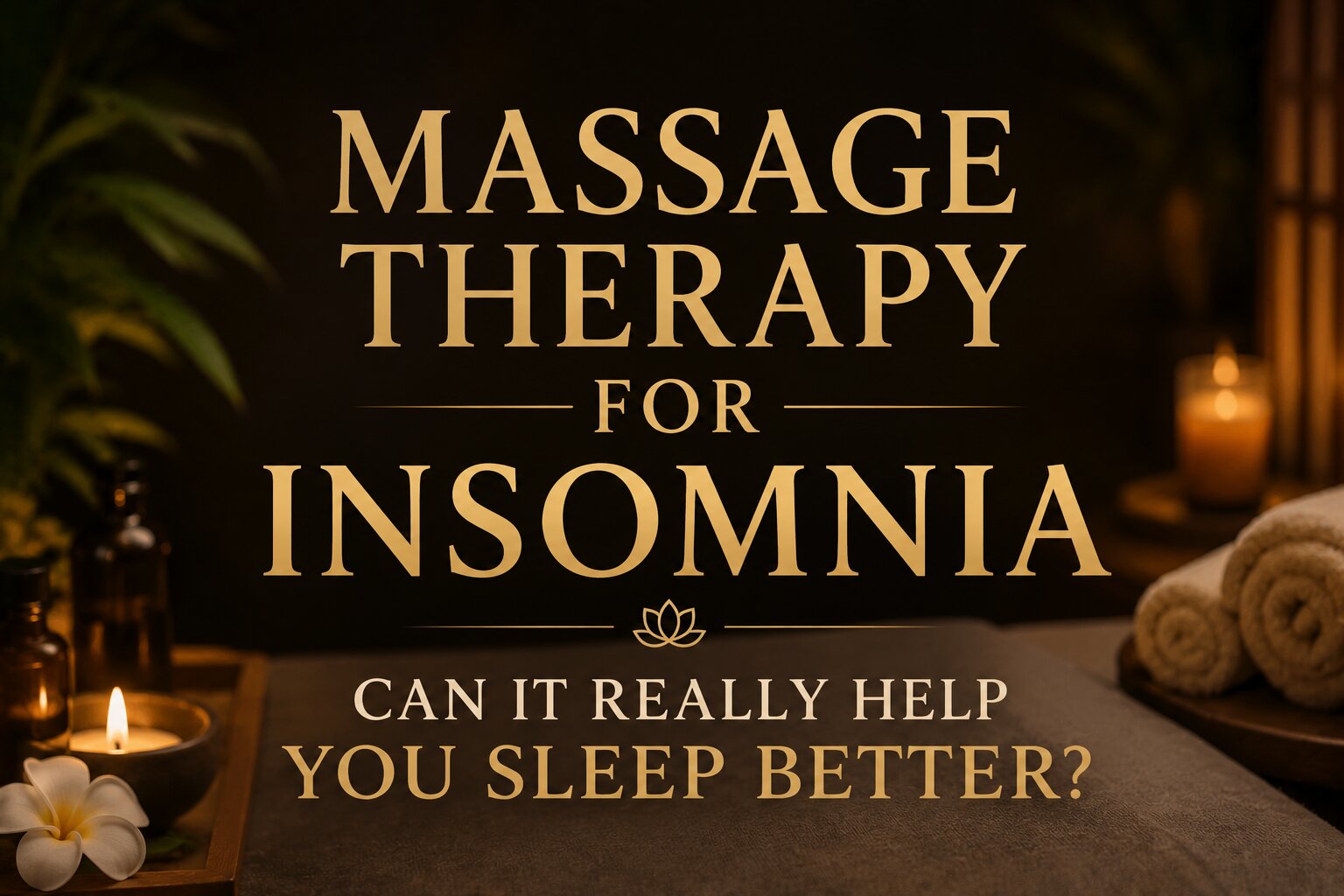
Massage therapy has quietly built an impressive body of evidence behind it as a natural sleep aid. Far from being a luxury indulgence, regular massage — particularly techniques that target the scalp, neck, and shoulders — can meaningfully shift the body out of a state of chronic stress activation and into the kind of deep relaxation that makes quality sleep possible. In this guide, we explore the science behind massage and sleep, which techniques work best for insomnia, what to expect from a professional session, and how you can start incorporating therapeutic touch into your own sleep routine.
Whether you've been struggling with occasional restlessness or a long-standing sleep disorder, understanding how massage interacts with your nervous system might just be the missing piece in your sleep hygiene puzzle. Let's dig into what the research says — and what you can do about it tonight.
Why Sleep Is So Hard to Come By (And Why Stress Is Usually the Culprit)
Before understanding how massage helps, it's worth understanding why so many of us can't sleep in the first place. Modern life keeps the sympathetic nervous system — our built-in "fight or flight" response — perpetually activated. Deadlines, financial pressures, relationship stress, and the blue-light glow of screens all signal to the brain that danger is near and sleep is not a priority. Cortisol and adrenaline flood the system, heart rate increases, muscles tighten, and the body prepares to respond to a threat that, in most cases, is entirely psychological.
Advertisement · Scroll to continue
The parasympathetic nervous system, often called the "rest and digest" system, is the antidote. When it's dominant, heart rate slows, digestion resumes, muscles relax, and the brain begins the slow descent into sleep. The problem is that many people's nervous systems have become so habitually tilted toward stress activation that simply lying down in a dark room isn't enough to trigger the switch. This is precisely where therapeutic massage becomes so valuable — it is one of the most effective, non-pharmaceutical tools available for activating the parasympathetic response.
The Science Behind Massage and Sleep Quality
The research linking massage therapy to improved sleep is more robust than many people realise. Studies have consistently shown that massage increases the production of serotonin — the neurotransmitter precursor to melatonin, our primary sleep hormone. At the same time, massage has been shown to reduce circulating levels of cortisol, the stress hormone most directly responsible for wakefulness and hyperarousal at night. When cortisol drops and serotonin rises, the body's natural sleep architecture begins to reassert itself.
Research published in peer-reviewed journals has found massage therapy beneficial for sleep in a remarkably diverse range of populations, including post-operative patients, people with cancer undergoing treatment, those with fibromyalgia, pregnant women, and individuals diagnosed with anxiety disorders. A notable study found that massage increased delta brain waves — the slow, deep waves associated with the most restorative stages of sleep — suggesting that the benefits go well beyond simply helping people feel more relaxed before bed. They appear to physically improve the quality of the sleep itself.
Tactile stimulation during massage also activates the vagus nerve, a central component of the parasympathetic nervous system that runs from the brain through the neck and into the abdomen. Vagal activation slows the heart rate, reduces blood pressure, and signals the body that it is safe to rest. This is why even a brief, focused massage — particularly to the head, neck, and upper back — can produce a dramatic shift in subjective feelings of calm and readiness for sleep.
Which Types of Massage Are Most Effective for Insomnia?
Not all massage modalities are created equal when it comes to addressing insomnia, and the best choice will depend on the underlying causes of your sleep difficulties. Here is a breakdown of the most evidence-supported approaches:
Head and Scalp Massage
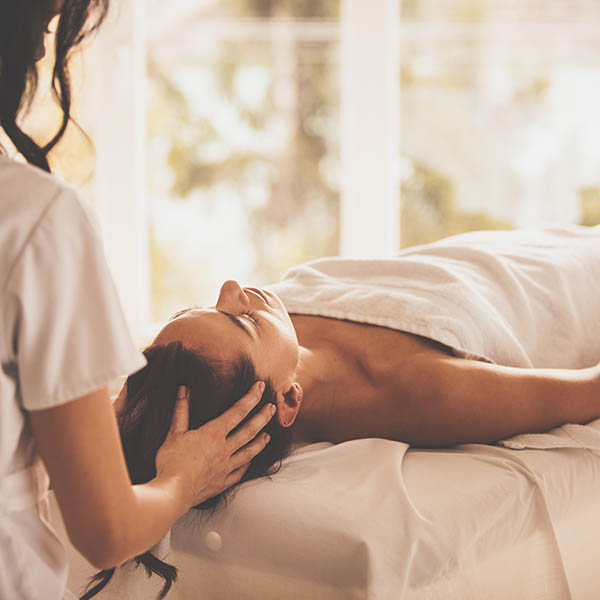
Japanese-style head spa treatments and traditional scalp massage are particularly effective for stress-related insomnia. The scalp contains a dense network of nerve endings, and gentle pressure and rhythmic strokes in this area have a profoundly calming effect on the central nervous system. Many clients report feeling an almost immediate sensation of heaviness and warmth that signals parasympathetic activation. Head massage also directly targets the muscles of the temporalis and occipitalis — areas where many people unconsciously store enormous tension without realising it. If you've ever had a Japanese head spa treatment in Adelaide, you'll recognise that distinctive feeling of the mind simply going quiet.
Swedish Massage
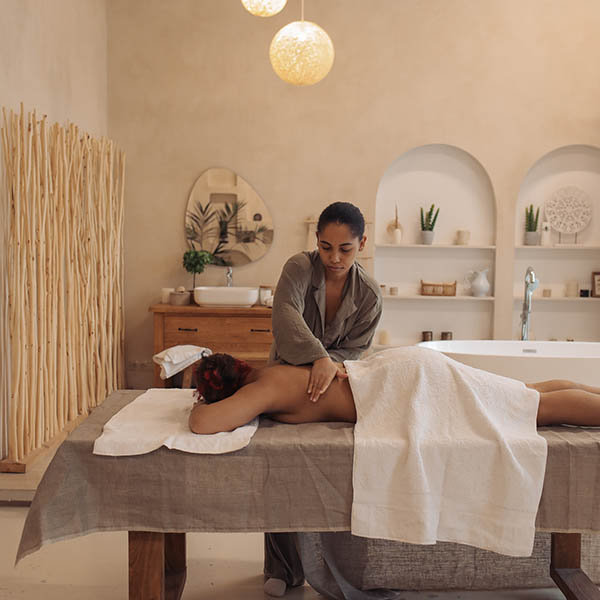
Swedish massage uses long, gliding strokes, kneading, and circular movements to promote full-body relaxation. It is particularly well-suited to people whose insomnia is driven by general physical tension and an overactive mind. The full-body nature of a Swedish massage session gives the nervous system ample opportunity to shift into a parasympathetic state, and the effects — particularly the drop in cortisol — can persist for several days after a single session.
Aromatherapy Massage
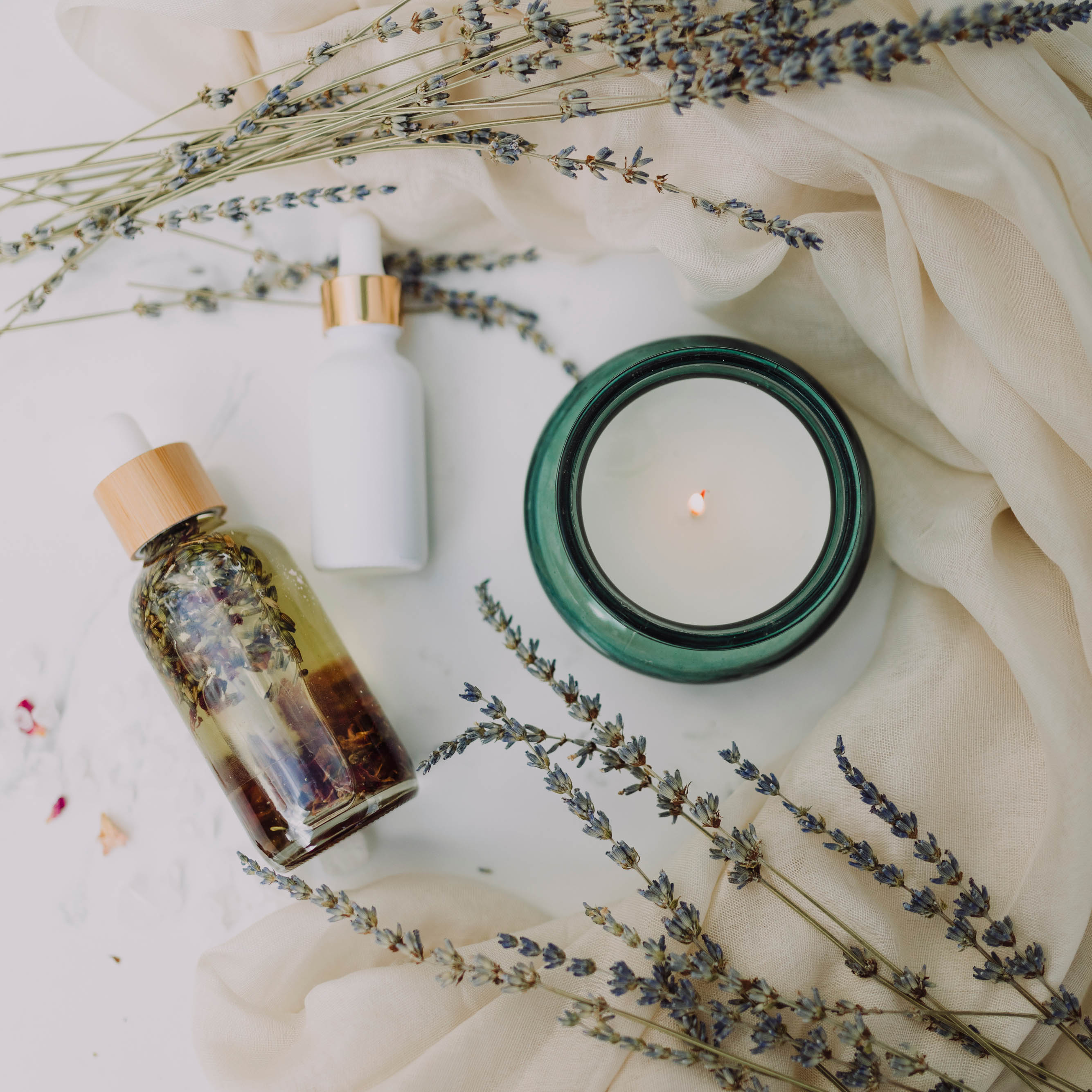
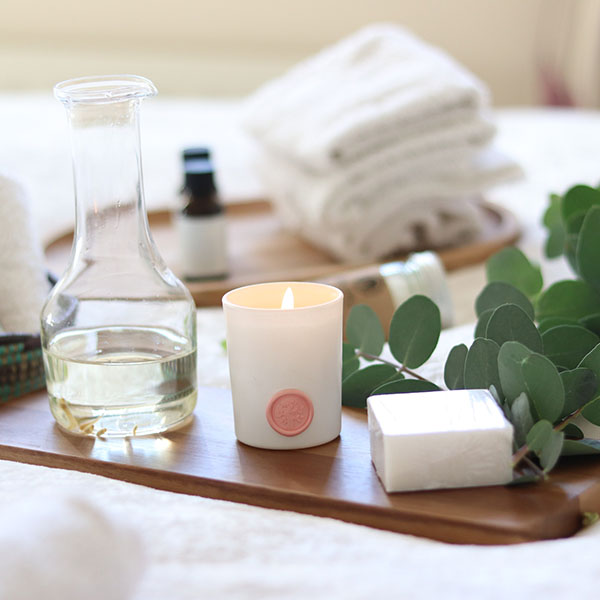
Combining the tactile benefits of massage with carefully selected essential oils creates a powerful dual-channel approach to sleep preparation. Lavender, in particular, has been the subject of considerable research demonstrating its ability to slow heart rate, reduce anxiety, and improve sleep quality when inhaled. Roman chamomile and bergamot essential oils have similar calming profiles. When these oils are used as part of a professional massage, the relaxation effect is significantly amplified compared to massage or aromatherapy alone.
Reflexology
Reflexology involves applying targeted pressure to specific points on the feet, hands, and ears that correspond to organs and systems throughout the body. For insomnia, reflexologists focus on points associated with the brain, pineal gland (which regulates melatonin), adrenal glands, and solar plexus. While the theoretical framework of reflexology remains debated in conventional medicine, clinical trials have shown meaningful improvements in sleep quality in a variety of patient populations, and many people find it deeply relaxing in a way that other modalities do not replicate.
Advertisement · Scroll to continue
Neck and Shoulder Massage
Chronic tension in the neck and shoulders is almost universal among people who work at desks, use smartphones heavily, or carry emotional stress in their bodies. This tension directly impairs sleep in two ways: it causes physical discomfort that makes it difficult to settle, and it keeps the nervous system in a mild state of chronic activation. Targeted neck and shoulder massage, whether as a standalone session or as part of a broader treatment like a relaxation massage in Glenelg, is one of the most direct routes to releasing this pattern.
How Often Should You Get Massage for Insomnia?
Frequency matters enormously when using massage therapy for sleep. A single session can certainly produce a noticeable improvement in sleep quality for the following night or two, but for people dealing with chronic insomnia, the most meaningful results tend to come with consistent treatment over a period of weeks. Research generally supports an initial course of weekly sessions for four to six weeks, followed by fortnightly or monthly maintenance treatments once sleep patterns have stabilised.
Think of it similarly to exercise: a single workout improves your mood and energy for a day or two, but the structural benefits — improved fitness, lower resting heart rate, better stress resilience — only emerge with regular practice. The same principle applies to massage and the nervous system. Each session helps to train the body's stress response, making it progressively easier to relax and sleep without needing external prompting.
Budget and time are realistic considerations for most people. If weekly professional massage isn't feasible, the good news is that self-massage techniques — particularly scalp massage — can meaningfully supplement professional treatment. Even five to ten minutes of focused scalp massage before bed, using slow, deliberate pressure from the fingertips, has been shown to reduce pre-sleep arousal in research settings. You might also consider exploring the range of relaxation and hair wellness treatments available in 2026 to find what suits your lifestyle and budget.
What to Expect from a Professional Massage Session for Sleep
If you've never used massage specifically as a therapeutic tool for sleep, knowing what to expect can help you get the most out of the experience. Begin by being honest with your therapist about your sleep difficulties — a good practitioner will adapt their approach, perhaps emphasising the scalp, neck, and sacral areas that most directly influence the nervous system's sleep response, and may incorporate breathwork cues or particular pressure techniques specifically tailored to parasympathetic activation.
Plan your appointment strategically. A massage session in the late afternoon or early evening is ideal for sleep purposes — it gives the body time to integrate the relaxation response before bed without the session being so early that the effects dissipate. If morning or lunchtime is your only option, that's still worthwhile, but the sleep benefits may be slightly less immediate.
After your session, avoid jumping straight back into stimulating activities. Skip the coffee, put the phone away, and try to preserve the calm state your body has entered. Some people find a brief, warm shower after massage helps to extend the relaxation, while others prefer to go directly into a wind-down routine. Pay attention to what works for you. The day after a good massage session is often when people notice the most profound difference in sleep quality, as the nervous system has had time to fully integrate the shift.
Combining Massage with Other Natural Sleep Strategies
Massage therapy is most powerful when it sits within a broader sleep hygiene practice rather than operating in isolation. Sleep hygiene refers to the collection of habits and environmental factors that support quality sleep, and the research is clear: addressing multiple factors simultaneously produces far better outcomes than any single intervention alone. The encouraging news is that massage and sleep hygiene practices are complementary in almost every way — each one reinforces the other.
Temperature plays a crucial role in sleep onset. The body needs to drop its core temperature slightly to initiate sleep, which is why a cool bedroom (around 18°C is widely cited as optimal for most adults) supports faster sleep onset. A warm massage session actually assists this process — it raises peripheral skin temperature, which then facilitates core cooling as you settle into bed. This is the same mechanism behind why a warm bath before bed improves sleep: the subsequent cooling signals to the body that sleep time is approaching.
Light management is equally important. Exposure to natural light in the morning helps to reset the circadian clock and anchors melatonin production to the appropriate evening window. In the hours before bed, dimming overhead lights and avoiding screens allows melatonin levels to rise naturally. Pairing this with a massage session or even a brief self-massage routine creates a powerful pre-sleep signal that the brain quickly begins to associate with sleep. Over time, this association itself becomes sleep-promoting.
Mindfulness and breathwork practices layer well on top of massage's effects. Slow, diaphragmatic breathing directly activates the vagus nerve and amplifies parasympathetic tone — the same pathway that massage targets. Spending even a few minutes in conscious breathing after a massage session, or before sleep each night, can noticeably deepen the relaxation response. If you're exploring spa and hair revitalisation services in Glenelg SA, asking your therapist to incorporate guided breathwork into the treatment is well worth considering.
Scalp Massage and the Head Spa Experience: A Special Case
Among the many massage modalities available, Japanese-style head spa treatments deserve particular attention when it comes to insomnia, because they combine several sleep-promoting mechanisms simultaneously. A professional head spa session typically involves deep scalp cleansing, hot steam application, targeted acupressure along the meridians of the head and neck, and slow, deliberate massage strokes that cover the scalp, temples, forehead, occipital ridge, and neck. The result is a level of nervous system downregulation that many clients describe as unlike anything else they've experienced.
Advertisement · Scroll to continue
The scalp is one of the most neurologically sensitive areas of the body. It has an exceptionally high density of mechanoreceptors — sensory cells that respond to touch and pressure — and stimulating these receptors sends a direct signal through the trigeminal nerve to the brainstem, where many of the body's fundamental sleep and arousal systems are regulated. This is likely why scalp massage produces such a rapid and pronounced relaxation response in most people, and why individuals who experience ASMR (autonomous sensory meridian response) most commonly report it in response to scalp-related stimuli.
Those exploring Japanese head spa options in Adelaide or researching the best head spa treatments in Melbourne will find a growing network of practitioners offering these treatments, reflecting a broader cultural shift toward viewing scalp health and nervous system regulation as deeply interconnected — not just in traditional Japanese wellness philosophy, but increasingly in Western clinical practice as well.
Struggling to Sleep? Discover Revive – Head Spa & Beauty
If you're in South Australia and looking for a genuinely restorative experience to support better sleep, Revive – Head Spa & Beauty at 103B Jetty Road, Glenelg SA 5045 offers Japanese-style head spa and scalp therapy treatments designed to deeply calm the nervous system. Whether you're managing stress-related insomnia, chronic tension, or simply need to reset after a demanding few weeks, our therapists tailor each session to what your body actually needs.
Explore Our ServicesWhen to Seek Additional Support
Massage therapy is a powerful adjunct for insomnia, but it is important to recognise when sleep difficulties may warrant additional medical attention. If you have been struggling with insomnia for more than three months, if it is significantly impairing your daytime functioning, or if it is accompanied by symptoms such as loud snoring, gasping during sleep, leg restlessness, or mood disturbances, speaking with your GP is an important first step. These may be signs of underlying conditions such as sleep apnoea, restless leg syndrome, or a mood disorder, all of which benefit from specific clinical assessment and treatment.
Cognitive Behavioural Therapy for Insomnia (CBT-I) is currently considered the gold standard first-line treatment for chronic insomnia by sleep medicine specialists, and it can be extraordinarily effective — often producing lasting improvements that pharmaceutical options cannot match. Massage therapy complements CBT-I very well, addressing the physiological dimension of tension and arousal while CBT-I works to restructure the cognitive and behavioural patterns that perpetuate sleep difficulties. Using both together is a sensible approach for anyone dealing with persistent insomnia. Similarly, if you are exploring Korean head spa services in Sydney or Korean head spa treatments in Melbourne, look for practitioners who take a holistic view of wellness and can discuss how their treatments support overall nervous system health.
Frequently Asked Questions
Q: How quickly can massage therapy improve my sleep?
A: Many people notice an improvement in sleep quality on the night following their first massage session, particularly a reduction in the time it takes to fall asleep and a greater sense of physical ease during the night. However, for chronic insomnia, meaningful and lasting improvement typically requires a consistent course of treatment over four to six weeks. Think of early sessions as laying the groundwork — each one makes it progressively easier for the nervous system to find its way into the relaxation response.
Q: Is head massage or full-body massage better for insomnia?
A: Both are effective, but they target slightly different mechanisms. Head and scalp massage produces a very rapid parasympathetic response via the dense nerve networks in the scalp and neck, making it excellent for mental hyperarousal and stress-related insomnia. Full-body Swedish massage is particularly beneficial when physical tension and muscle tightness are significant contributing factors. Many people find that combining both — either in a single extended session or by alternating between modalities — produces the best results.
Q: Can I do self-massage at home to help with sleep?
A: Absolutely. Self-scalp massage is one of the most accessible and effective home remedies for pre-sleep relaxation. Using the pads of your fingertips, apply gentle circular pressure across the scalp, working from the hairline at the forehead back to the base of the skull, and then along the sides from the temples to the ears. Spend five to ten minutes doing this slowly and deliberately, ideally as part of a consistent wind-down routine. Adding a few drops of diluted lavender essential oil can enhance the effect. Over time, this routine itself becomes a conditioned signal to the brain that sleep is approaching.
Q: Are there any situations where massage is not recommended for insomnia?
A: Massage is contraindicated in certain circumstances — including active skin infections, blood clots, recent surgery, and some cardiovascular conditions — so it's always worth informing your therapist of any health conditions before a session. For most healthy adults, it is extremely safe. If your insomnia is accompanied by significant mental health symptoms such as depression or anxiety, massage is still beneficial but should be used alongside appropriate clinical support rather than as a replacement for it.
Q: What should I do after a massage session to maximise the sleep benefits?
A: After a massage, prioritise keeping your nervous system in the calm state the treatment has created. Avoid caffeine, bright screens, and stressful conversations. Drink water to stay hydrated, consider a warm shower or bath, and if possible, move directly into your usual sleep preparation routine. Keeping the environment dim and cool will complement the physiological changes massage has initiated. Some people find that journaling briefly — writing down any lingering thoughts or tomorrow's priorities — after a massage session helps to clear the mental space needed for restful sleep.
Final Thoughts
Insomnia is rarely just about sleep — it's a signal from the body that the nervous system is stuck in overdrive, unable to find its way back to the state of safety and ease that quality rest requires. Massage therapy, whether it's a professional head spa session, a full-body Swedish treatment, or a consistent self-massage practice before bed, is one of the most direct, evidence-based tools available for shifting that balance. It works through real, measurable physiological pathways — reducing cortisol, increasing serotonin, activating the vagus nerve, and nudging the body toward the parasympathetic state in which deep, restorative sleep becomes possible.
The best approach is to see massage not as an occasional treat but as a regular investment in nervous system health — one that compounds over time, making sleep progressively easier and more reliable. Combined with good sleep hygiene practices, a supportive environment, and professional guidance when needed, it can be genuinely transformative for those who have struggled for years to get a good night's rest. If you haven't yet explored what therapeutic massage can do for your sleep, there's no better time to start.
Advertisement · Scroll to continue