Best Oils for Dry Scalp: A 2026 Guide to Restoring Scalp Hydration
If your scalp has been feeling tight, itchy, or flaky lately, you are far from alone. A dry scalp is one of the most common hair and skin concerns people deal with, especially as the seasons change or after too many hot showers and heat-styling sessions. The good news is that the right oil, used the right way, can make a genuine difference to how your scalp looks and feels.
In this guide, we have pulled together the oils that consistently show up as favourites among trichologists, hairdressers, and everyday people managing dry scalp at home. We will explain what actually causes a dry scalp in the first place, break down each oil and why it works, and share some simple application tips so you get the most out of whichever one you choose.
We will also touch on when oils alone are not quite enough, and how a professional scalp treatment, such as a Japanese head spa, can complement your at-home routine for longer-lasting relief.
What Actually Causes a Dry Scalp?
Before reaching for a bottle of oil, it helps to understand why your scalp is drying out in the first place. A healthy scalp naturally produces sebum, an oily substance that keeps the skin barrier intact and moisture locked in. When that barrier is disrupted, dryness, flaking, and irritation tend to follow.
Common culprits include cold or dry weather, overwashing with harsh shampoos, frequent heat styling, product build-up, and even stress or an unbalanced diet. If your scalp barrier stays compromised for too long, moisture escapes more easily and the cycle of dryness and irritation continues, which is exactly where a good oil can step in and help restore balance.
Advertisement · Scroll to continue
How We Chose These Oils
We selected the oils in this list based on how frequently they are recommended by dermatologists and hair professionals, the strength of their moisturising and anti-inflammatory properties, and how well they suit different scalp types, from oily-prone to very dry and sensitive. We have also favoured oils that are widely available and reasonably affordable, so you can start a routine without breaking the bank.
Top 6 Oils for a Dry, Itchy Scalp
1. Jojoba Oil
Jojoba oil is technically a liquid wax rather than a true oil, and that is precisely what makes it so effective. Its structure closely mirrors the sebum your scalp already produces, which means it absorbs easily without leaving a heavy residue. It is prized for reducing irritation and inflammation, and it is rich in nourishing B vitamins, vitamin C, and zinc, all of which support scalp health.
Because it so closely resembles natural oil, jojoba is a great starting point if you have never used a scalp oil before, or if your scalp reacts poorly to heavier, richer formulas. A few drops massaged in before bed, left overnight, and washed out in the morning is usually enough to notice softer, calmer skin.
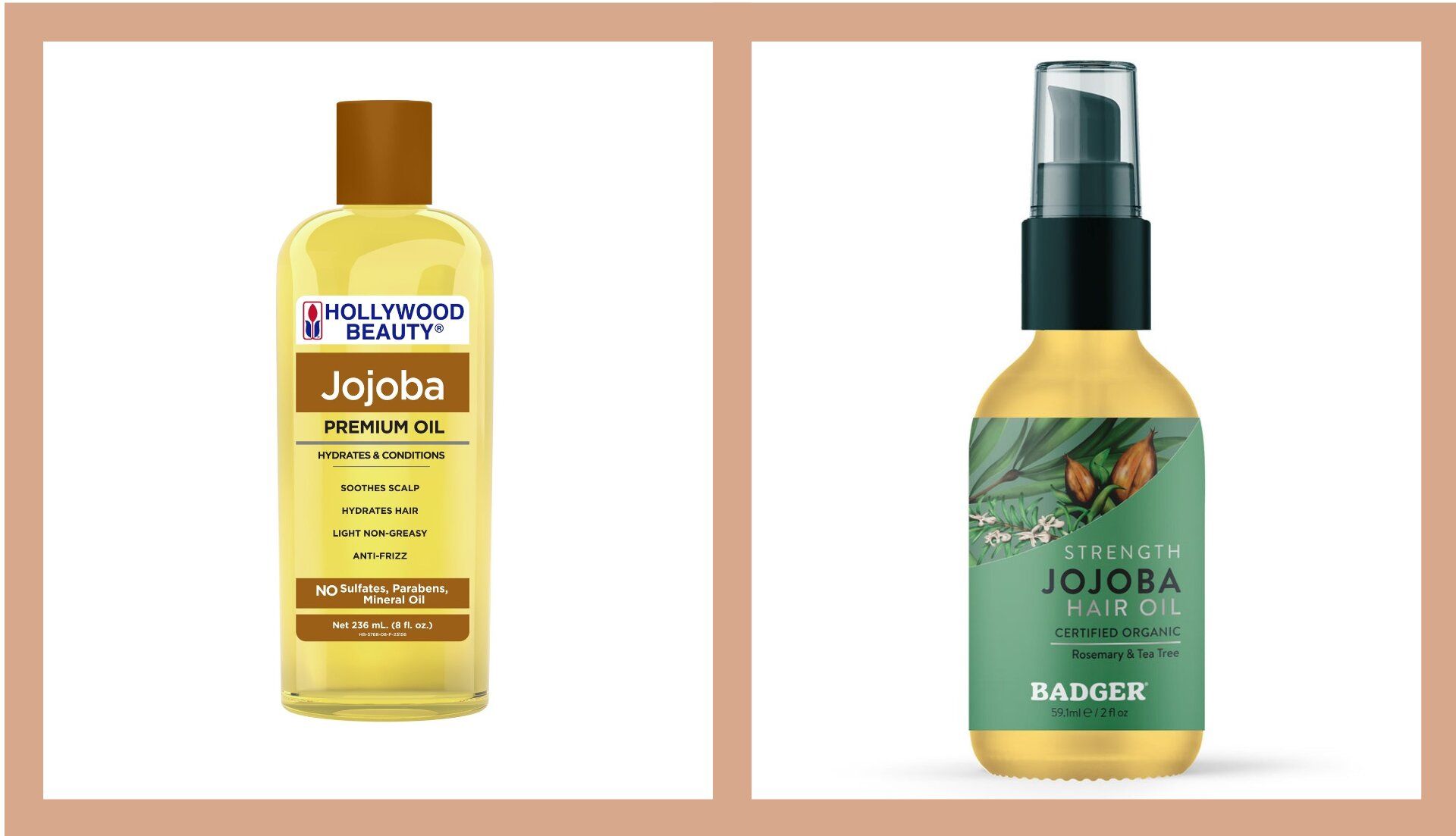
Illustration: Jojoba Oil
2. Argan Oil
Argan oil is derived from the fruit of the Argan tree native to Morocco and is treasured for its strong anti-inflammatory qualities, helping to calm irritation and skin distress. It is also rich in vitamin E and fatty acids, giving it excellent moisturising power for both the scalp and the hair shaft.
Beyond hydration, argan oil doubles as a light heat protectant, so it is a smart choice if your dry scalp has been aggravated by regular blow-drying or straightening. Apply a small amount to the scalp and comb through to the ends for an all-in-one treatment.
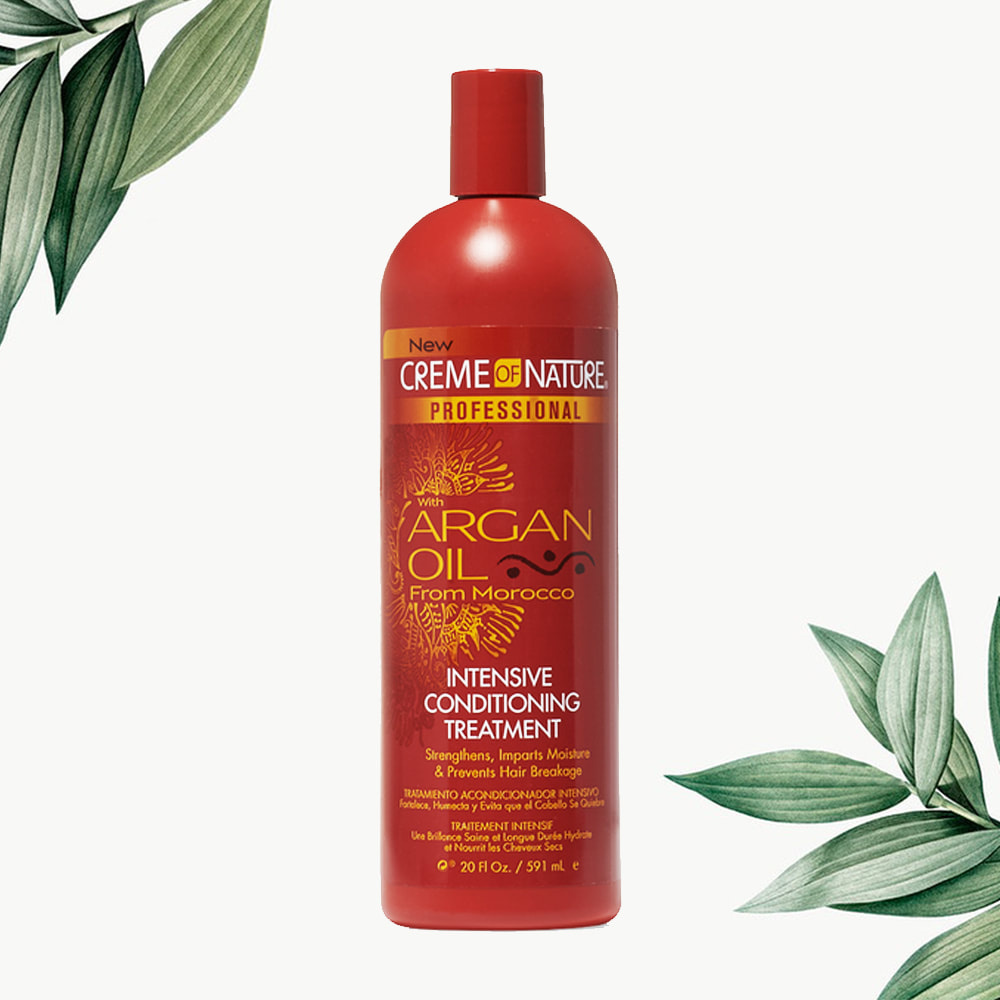
Illustration: Argan Oil
Advertisement · Scroll to continue
3. Coconut Oil
Coconut oil contains anti-microbial properties thanks to its lauric acid content and has an anti-inflammatory nature, making it a great option for a flaky scalp. Its fatty acids penetrate the outer layer of the scalp, locking in hydration and helping prevent further moisture loss.
To use it, apply coconut oil directly to the hair and scalp, massage it in, and leave it for around 20 to 30 minutes before washing out with shampoo, or leave it on overnight for a deeper treatment. It is one of the most budget-friendly options on this list and works well combined with a gentle scalp massage.
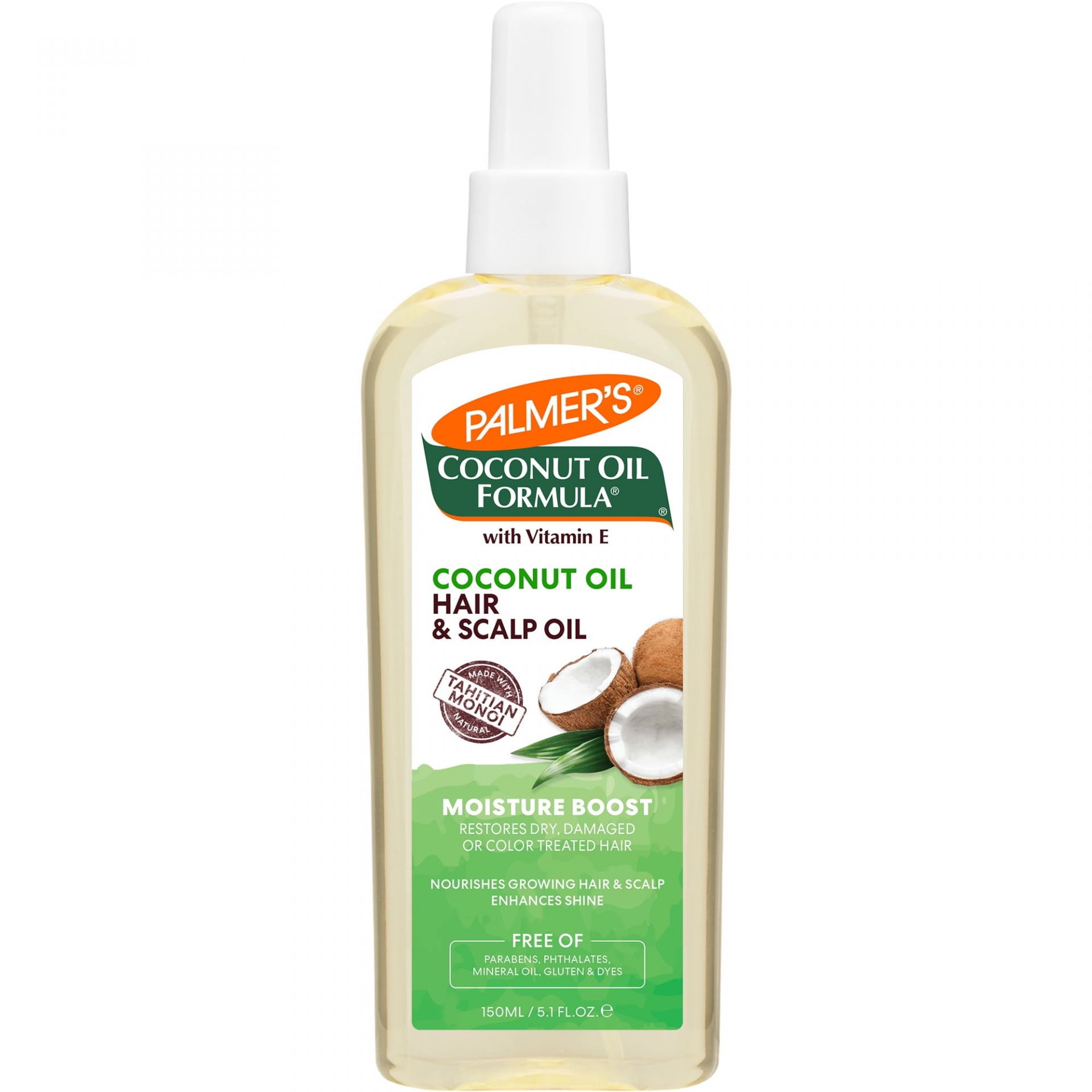
Illustration: Coconut Oil
4. Almond Oil
Almond oil is valued for its light, easily absorbable texture and has been used for centuries in ayurvedic medicine to help treat conditions like eczema and psoriasis, both of which commonly cause scalp dryness. It sits somewhere between the lightness of jojoba and the richness of coconut oil, making it suitable for most scalp types.
Almond oil also carries a mild, pleasant scent and rarely causes buildup, so it can be used a few times a week without weighing hair down.
5. Tea Tree Oil
Tea tree essential oil has antibacterial and antiseptic properties, and it moisturises the hair and scalp while reducing and eliminating dryness and itching. Because it is a potent essential oil, it should always be diluted in a carrier oil such as jojoba or almond before applying directly to the skin.
Tea tree is a good pick if your dry scalp comes with itchiness or a hint of flaking that feels closer to dandruff than simple dryness, since its cleansing properties help address both concerns at once.
6. Avocado Oil
With a high concentration of both polyunsaturated and monounsaturated fatty acids, avocado oil is ultra-nourishing and helps boost a dry, dehydrated scalp while supporting collagen and reducing irritation. It is thicker than most oils on this list, making it a good weekly deep-conditioning treatment rather than a daily leave-in.
Warm the oil slightly before application to help it spread more evenly and penetrate the scalp more effectively.
How to Apply Scalp Oil for the Best Results
Start with clean, dry or slightly damp hair, and section your hair so you can apply the oil directly to the scalp rather than just the lengths. Use your fingertips, not your nails, to massage the oil in with small circular motions for two to three minutes. This not only helps distribute the oil evenly but also stimulates blood circulation to the follicles.
Most people find it beneficial to apply oils once or twice weekly depending on scalp sensitivity, leaving the treatment on for at least twenty minutes, or overnight for a more intensive result, before washing thoroughly with a gentle shampoo. Avoid scrubbing on any inflamed or broken skin, and patch-test a new oil on your inner arm first if you have known sensitivities.
Advertisement · Scroll to continue
When Oils Alone Are Not Enough
For many people, a consistent oiling routine is all it takes to bring a dry scalp back into balance. But if flaking, tightness, or itchiness persists despite regular care, it may be a sign that your scalp needs a deeper, more targeted treatment than an at-home oil can provide on its own.
This is where a professional scalp treatment can help. Traditional Japanese head spa techniques combine deep-cleansing, steam, and scalp massage to lift away buildup and restore hydration at a level that oils alone cannot reach. If you are curious about the process itself, our guide on what actually happens during a Japanese head spa walks through each step in detail.
These treatments are also worth exploring if you are dealing with more than just dryness, such as ongoing sensitivity or a scalp that never quite feels settled. Our roundup of top-rated head spas in Adelaide is a useful starting point if you are based in South Australia and want to compare options.
For those living further afield, we have also put together guides to Korean head spas in Sydney and Korean head spas in Melbourne, both of which cover scalp-focused treatments that pair beautifully with a good oiling routine at home.
Visiting Adelaide? Consider Revive – Head Spa & Beauty
If you are in South Australia and your dry scalp needs more than an at-home oil treatment, Revive – Head Spa & Beauty at 103B Jetty Road, Glenelg SA 5045 offers relaxing, results-focused scalp therapy designed to deeply hydrate and soothe a stressed scalp, all in a calm, welcoming setting just steps from the beach.
Explore Our ServicesA treatment like this can be a helpful reset if your scalp has been dry for a long stretch, giving your regular oil routine a stronger foundation to build on. Many clients find that alternating a professional scalp treatment every few weeks with a simple oiling routine at home keeps their scalp comfortable year-round, even through the driest months of winter.
It is also worth understanding a little of where these treatments come from. The cultural significance of head care in Japanese culture runs deep, with scalp health traditionally viewed as inseparable from overall wellbeing, which is part of why these treatments focus so heavily on gentle, restorative technique rather than quick fixes.
Frequently Asked Questions
Q: Which oil is best for a dry, itchy scalp?
Jojoba oil and properly diluted tea tree oil are commonly recommended for a dry, itchy scalp, since both help calm irritation while restoring moisture.
Q: How often should I oil my scalp?
A: Most people apply scalp oil one to three times a week depending on their needs, though those with a very dry scalp may benefit from more frequent use.
Q: Can oils help with flaky scalp or dandruff?
A: Oils can help soften flakes caused by dryness, but flaking related to product buildup may respond better to a lighter scalp treatment or professional deep-cleanse.
Q: Are scalp oils suitable for oily hair too?
A: Yes, provided you choose a lighter oil such as jojoba or argan and apply it sparingly. These absorb quickly and rarely leave hair looking greasy, unlike heavier oils such as coconut or avocado.
Q: When should I see a professional instead of using oils at home?
A: If irritation persists or symptoms feel severe, consulting a dermatologist or booking a professional scalp treatment is a sensible next step rather than relying on oils alone.
Advertisement · Scroll to continue
Final Thoughts
A dry scalp does not have to be something you simply put up with. Whether you reach for jojoba, argan, coconut, almond, tea tree, or avocado oil, consistency is what matters most. Give your chosen oil a few weeks of regular use before judging whether it is working, and always listen to how your scalp responds along the way.
And if your scalp needs a bit more than a bottle of oil can offer, a professional head spa treatment is a lovely way to give it the reset it deserves, whether that is at Revive in Glenelg or another trusted scalp specialist near you.