The Ultimate Guide to
Japanese Head Spa:
Benefits, Process & Scalp Health
The Japanese head spa has quietly become one of the most sought-after scalp treatments worldwide — and for good reason. Rooted in decades of Japanese trichological research, this ritual goes far beyond a standard shampoo to deliver clinically meaningful improvements in scalp health, hair density, and overall wellbeing.
What Is a Japanese Head Spa?
A Japanese head spa (ヘッドスパ, heddo spa) is a holistic, multi-stage scalp and hair treatment that originated in Japan during the 1980s and has since become a cornerstone of premium hair wellness culture. Unlike a conventional salon wash-and-condition routine, a true Japanese head spa treatment integrates scalp diagnosis, deep scalp detox, therapeutic massage, and targeted scalp serums into a carefully sequenced ritual lasting 60 to 90 minutes.
The philosophy underpinning the treatment is distinctly Japanese: the scalp is treated as skin, not merely as an extension of the hair. Just as facial skin requires consistent cleansing, exfoliation, hydration, and stimulation, so too does the scalp. When the scalp environment is optimised, the hair that grows from it is inherently healthier, stronger, and more resilient.
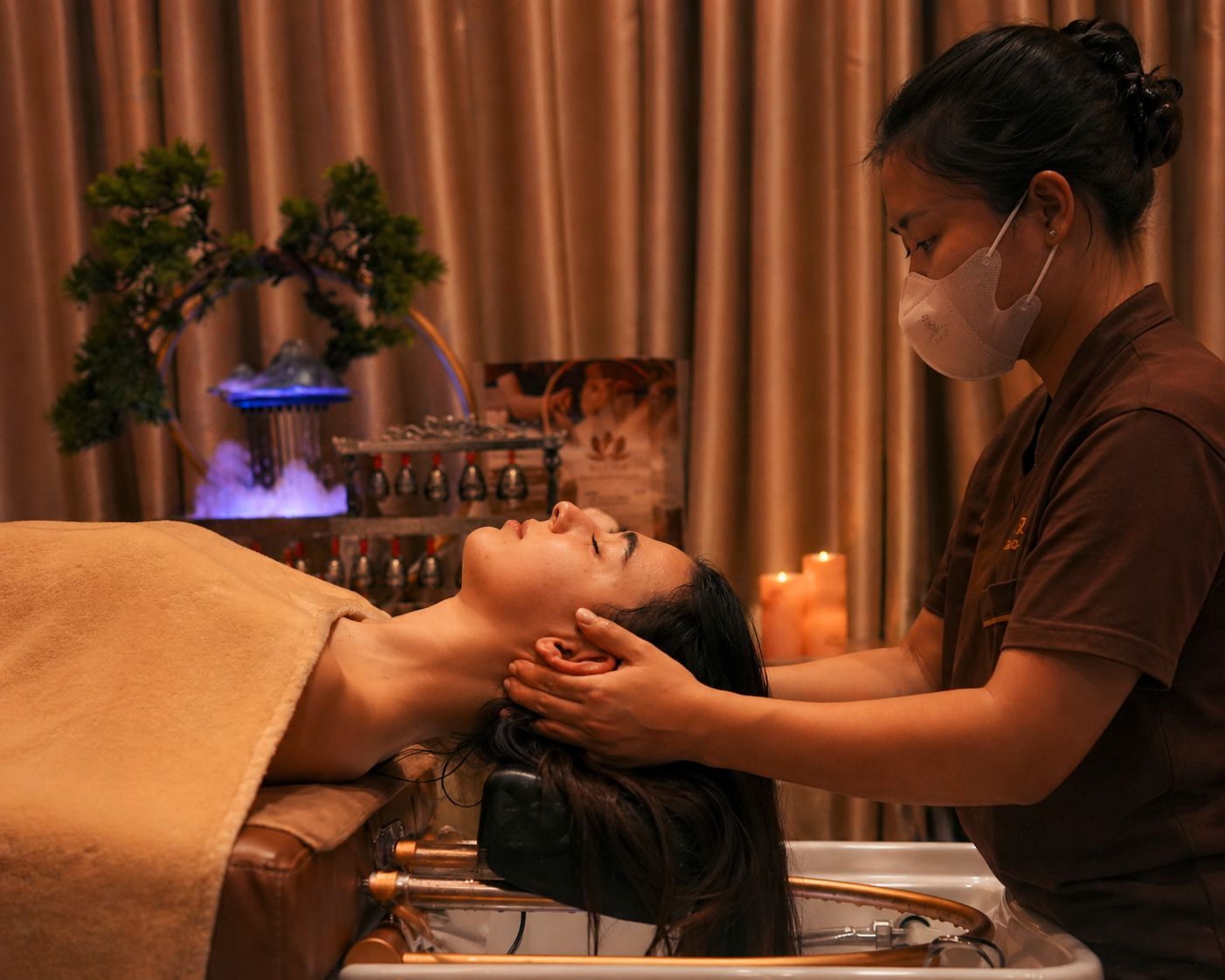
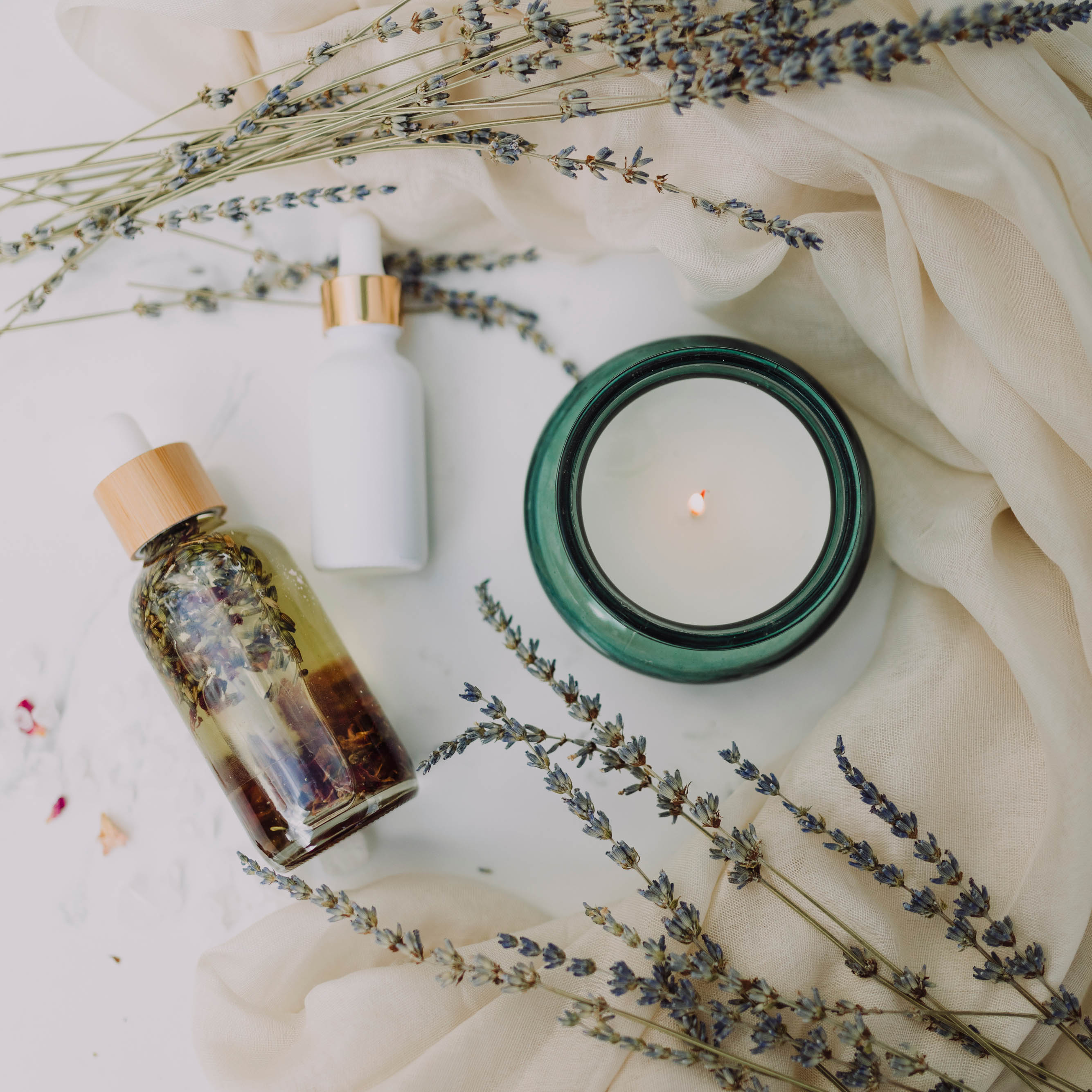
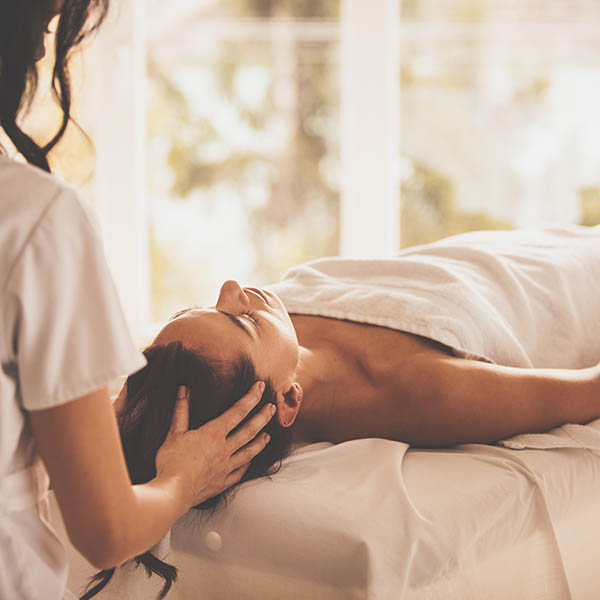
A professional Japanese head spa session typically incorporates warm steam towels, precise scalp pressure-point massage, and targeted treatment ampoules. Image: Unsplash (illustrative).
Historical Context & Origins
The formalised head spa concept was pioneered in Japanese salons during the late 1980s, drawing on the existing cultural tradition of sento (public bathing) and a deep respect for ritual cleansing. Japanese cosmetic brands — notably Shiseido, Milbon, and Aveda Japan — invested heavily in scalp science research throughout the 1990s, developing proprietary diagnostic tools and treatment formulations that remain industry benchmarks today. The treatment subsequently spread across Asia, Europe, and, more recently, Australia, where demand has grown substantially since 2022.
Advertisement · Scroll to continue
The Science of Scalp Health
To appreciate why a Japanese head spa delivers results, it is essential to understand the biology of the scalp. The scalp contains approximately 100,000 hair follicles per adult, each cycling through three phases: anagen (growth), catagen (transition), and telogen (rest). The health of the follicular environment directly determines hair quality, density, and longevity.1
🔬 Research Highlight
A landmark 2016 study published in ePlasty by Koyama et al. demonstrated that standardised scalp massage of just four minutes daily over 24 weeks led to significantly increased hair shaft thickness in male participants. The researchers proposed that mechanical stimulation of dermal papilla cells — the mesenchymal cells that govern follicular growth — may upregulate stretch-activated gene expression, promoting hair growth signalling cascades.2
Sebum, Microbiome, and the Scalp Barrier
The scalp produces sebum at a higher rate than almost any other body surface — roughly 144–260 µg/cm² per week — via sebaceous glands adjacent to each follicle.3 In healthy concentrations, sebum lubricates the hair shaft and maintains the acid mantle (optimal pH 4.5–5.5). However, excess sebum accumulates with styling product residue, environmental pollutants, and dead skin cells to form a condition called follicular hyperkeratosis, which can physically impede hair growth and promote colonisation by the yeast Malassezia, a primary driver of dandruff and seborrhoeic dermatitis.4
A professional scalp treatment addresses these mechanisms directly: enzymatic exfoliants dissolve keratinaceous plugs; antimicrobial botanical actives rebalance the scalp microbiome; and massage promotes sebum distribution and microcirculatory blood flow to the dermal papilla.
Stress, Cortisol, and Hair Loss
Chronic psychological stress elevates systemic cortisol levels, which has been linked to premature transition of hair follicles from anagen to catagen phase — a mechanism contributing to telogen effluvium, a form of diffuse hair shedding.5 The deeply relaxing nature of a Japanese head spa, incorporating slow-rhythm pressure-point massage and warm water therapy, activates the parasympathetic nervous system and has been shown to reduce salivary cortisol in clinical settings, suggesting a meaningful neuroendocrine benefit beyond topical scalp care.6
Proven Benefits of a Japanese Head Spa Treatment
Deep Scalp Detoxification
Enzymatic and physical exfoliation removes accumulated sebum, product build-up, and keratinaceous plugs that block follicular openings, creating a clean environment for optimal hair growth.
Improved Scalp Hydration
Targeted scalp serums — often containing hyaluronic acid, panthenol, and botanical extracts — replenish moisture in a chronically dehydrated or over-stripped scalp, reducing flakiness and itching.
Enhanced Blood Circulation
Precision scalp massage techniques increase microvascular perfusion, delivering more oxygen and nutrients to the dermal papilla and potentially extending the anagen (growth) phase of the hair growth cycle.
Stress Reduction & Wellbeing
Controlled trials confirm that therapeutic head massage significantly lowers perceived stress and anxiety. Reduced cortisol exposure benefits both scalp health and systemic health outcomes.
Advertisement · Scroll to continue
Scalp Microbiome Balance
Targeted pre- and probiotic actives, alongside pH-correcting formulations, support a healthy scalp microbiome, reducing pathogenic yeast burden and the associated risk of dandruff and scalp inflammation.
Increased Hair Lustre & Thickness
By restoring the scalp's acid mantle and removing mineralised deposits via chelating treatments, hair emerges with improved light reflectivity, softness, and perceived thickness from the very first session.
The Japanese Head Spa Process: Step by Step
While exact protocols vary between salons and brands, a premium Japanese head spa in Australia follows a broadly consistent multi-stage sequence. Here is what to expect:
Scalp Analysis & Consultation
A trained therapist uses a digital scalp microscope (trichoscope) magnifying at 60× to 200× to assess sebum levels, follicular density, pore congestion, scalp hydration, and the presence of any inflammatory conditions. This diagnosis determines which treatment pathway is selected — oily, dry, sensitised, or hair-loss focused.
Pre-Treatment Scalp Exfoliation
A scalp scrub or scalp exfoliant — typically containing salicylic acid, zinc, or finely milled physical particles — is applied directly to the dry or dampened scalp to dislodge dead skin cells, sebaceous plugs, and surface residue before cleansing begins.
Double Cleanse
Mirroring the Japanese double-cleanse philosophy used in skincare, the scalp receives a first cleanse with an oil-based or micellar cleanser to emulsify lipid-soluble deposits (dry shampoo, silicones, environmental pollutants), followed by a second cleanse with a clarifying or treatment shampoo tailored to the scalp diagnosis.
Steam Therapy
Warm, continuous steam (typically 42–45°C) is applied to the scalp for 10–15 minutes. Steam softens the cuticle, opens follicular pores for deeper product penetration, and promotes vasodilation — enhancing the efficacy of subsequently applied treatment serums.
Treatment Ampoule or Serum Application
A concentrated scalp treatment ampoule is applied and worked into the scalp using sectioning clips and a fine applicator. Common actives include adenosine (a vasodilator linked to hair growth), stem cell extracts, minoxidil alternatives such as redensyl and procapil, zinc PCA (sebum-regulating), biotin, and niacinamide.
Japanese Scalp Massage
The centrepiece of the treatment. Therapists employ a precise sequence of acupressure-inspired techniques — including anma kneading, effleurage gliding, and gentle tapotement — targeting meridian pressure points along the scalp, temples, occiput, and neck. Sessions typically last 20–30 minutes and address both scalp circulation and full-body tension release.
Hair Treatment & Conditioning
A deep conditioning mask or bond-repairing treatment is applied to the lengths and ends while the scalp mask processes. This addresses any hair shaft damage, porosity imbalances, or colour-related structural compromise.
Rinse, Style & Post-Care Advice
The hair is rinsed with cool water (which helps close the cuticle and impart shine), followed by a hydrating leave-in conditioner. The therapist provides a personalised at-home scalp care regimen and recommends the ideal revisit frequency based on the initial scalp diagnosis.
Who Should Consider a Head Spa Treatment?
A Japanese head spa is appropriate for virtually any adult with hair-bearing scalp. However, it delivers particularly notable results for those experiencing:
Advertisement · Scroll to continue
| Scalp Concern | How a Japanese Head Spa Helps | Suggested Frequency |
|---|---|---|
| Oily or congested scalp | Deep pore cleansing, sebum regulation actives (zinc, salicylic acid), clarifying double-cleanse protocol | Every 3–4 weeks |
| Dry, itchy, or flaky scalp | Intense hydration serums, microbiome-balancing actives, steam therapy to restore barrier function | Every 4–6 weeks |
| Dandruff or seborrhoeic dermatitis | Antimicrobial botanicals, pH-correction, Malassezia-targeted actives (piroctone olamine, zinc pyrithione) | Every 3–4 weeks (consult GP/dermatologist) |
| Hair thinning or early-stage hair loss | Circulation-boosting massage, growth-stimulating ampoules (redensyl, adenosine, procapil), follicular unclogging | Every 2–3 weeks initially |
| Stressed, busy lifestyle | Parasympathetic nervous system activation, cortisol reduction, full-body tension release via acupressure | Monthly or as needed |
| Colour-treated or chemically processed hair | Scalp detox, bond-repairing treatments, pH correction to reduce colour fade and breakage | Every 4–6 weeks |
Contraindications: Individuals with active scalp psoriasis flares, open wounds, severe eczema, or undergoing active chemotherapy should consult a dermatologist or trichologist before receiving a scalp treatment. Most reputable Japanese head spa providers in Australia will conduct a thorough health intake prior to commencing treatment.
Choosing a Japanese Head Spa Provider in Australia
As the Japanese head spa trend continues its rapid expansion across Australia — particularly in Melbourne, Sydney, Brisbane, and Perth — the quality and authenticity of treatments varies considerably. When evaluating providers, consider the following criteria:
Qualifications & Training
Look for therapists who hold formal training in trichology or have completed accredited scalp health courses from reputable institutions such as the International Association of Trichologists (IAT). In Japan, headspa meister certification requires a minimum of 500 practical hours; Australian providers offering authentic treatments should be able to demonstrate equivalent professional development.
Diagnostic Technology
Reputable salons invest in digital trichoscopy equipment and follow a genuine consultation-first model. Be cautious of providers who skip scalp analysis and apply a one-size-fits-all protocol, as this approach lacks the personalisation that distinguishes a true Japanese head spa from a premium shampoo service.
Professional-Grade Products
High-quality scalp treatment products should be transparently labelled with active ingredients and concentrations. Leading brands used in professional Japanese head spa contexts include Milbon, Lebel, Kerastase Scalp, Kevin.Murphy Scalp Spa, and O&M (Original & Mineral), an Australian-owned trichology brand with strong scalp credentials.
Hygiene Standards
All tools — including massage combs, scalp brushes, and bowl-and-brush sets — should be sanitised between each client in accordance with Australian state health regulations. Single-use ampoules are preferable over bulk-dispensed products to minimise contamination risk.
At-Home Scalp Care Between Professional Sessions
Professional Japanese head spa treatments deliver optimal results when supported by a consistent home care regimen. Your therapist will customise recommendations, but evidence-based best practices include:
Daily Habits
Brush before washing: Use a natural boar bristle brush or a specialised scalp massage brush before shampooing to distribute sebum, lift debris, and stimulate circulation. This step, borrowed directly from Japanese salon preparation protocols, measurably reduces washing time and scalp congestion.
Correct shampoo technique: Dilute shampoo before application, apply to the scalp (not the lengths), and massage for a minimum of 60 seconds using fingertip circular motions — not nails, which risk micro-abrasion. Rinse thoroughly; product residue is a primary driver of scalp congestion.
Cool-water final rinse: A 30-second cool rinse after conditioning closes the cuticle, smooths the hair shaft, and promotes surface shine — a staple finishing technique in Japanese head spa methodology.
Weekly Treatments
Incorporate a scalp exfoliant once weekly, selecting a product formulated for your scalp type. For oily scalps, a salicylic acid-based scalp serum (1–2%) applied 30 minutes before washing delivers meaningful pore clarification. For dry scalps, a jojoba bead scrub combined with marula or squalane oil prevents over-stripping the acid mantle.
Nutritional Support for Hair Health
Hair is among the body's lowest metabolic priorities; nutritional deficiencies manifest here first. Research confirms the importance of adequate iron, ferritin (target >70 µg/L), vitamin D, zinc, and biotin for maintaining robust hair growth.7 Australian adults, particularly women of reproductive age and those following plant-based diets, should discuss hair-supportive supplementation with their GP or dietitian.
Advertisement · Scroll to continue
Frequently Asked Questions
What is a Japanese head spa?
A Japanese head spa is a multi-step scalp and hair treatment originating in Japan that combines scalp analysis, deep cleansing, exfoliation, targeted serums, steam therapy, and therapeutic scalp massage to promote scalp health and hair growth. Sessions typically last 60 to 90 minutes.
How often should you get a Japanese head spa?
Most trichologists recommend a Japanese head spa every four to six weeks for general scalp health maintenance. Those addressing specific concerns such as hair thinning, excessive oiliness, or dandruff may benefit from more frequent sessions — every two to four weeks — until the condition stabilises.
Is a Japanese head spa good for hair growth?
Yes. Research published in ePlasty (Koyama et al., 2016) demonstrated that standardised scalp massage increases hair shaft thickness and stimulates dermal papilla cells critical to the hair growth cycle.2 Combined with growth-targeted actives such as redensyl, procapil, or adenosine — standard in premium Japanese head spa ampoules — the treatment provides meaningful, evidence-based support for individuals experiencing hair thinning.
What is the difference between a Japanese head spa and a regular scalp treatment?
A Japanese head spa is a holistic, multi-stage ritual — typically 60 to 90 minutes — incorporating scalp diagnosis with trichoscopy, double cleansing, exfoliation, steam therapy, targeted ampoule application, and specialised acupressure massage. A regular scalp treatment is usually a single-product application without the diagnostic, steam, or extended massage components.
Can a Japanese head spa help with dandruff?
Yes. Dandruff is primarily driven by Malassezia yeast overgrowth and impaired scalp barrier function. A Japanese head spa addresses both: antifungal and antimicrobial actives reduce yeast burden, while pH-correcting formulations and scalp hydration therapy restore the protective acid mantle. For persistent or severe dandruff, concurrent dermatological management is recommended.
How much does a Japanese head spa cost in Australia?
Prices in Australia typically range from $95 to $250 per session, depending on session duration (60 vs 90 minutes), treatment products used, and the city or suburb. Specialist Japanese head spa salons in Melbourne and Sydney's CBD tend to charge at the premium end of the range, while suburban providers may offer competitive entry-level options without compromising on core quality.
Is a Japanese head spa suitable during pregnancy?
Many aspects of a Japanese head spa — including scalp massage, steam therapy, and physical exfoliation — are generally considered safe during pregnancy. However, certain scalp treatment actives (including salicylic acid at higher concentrations, retinoids, and some essential oils) should be avoided. Always disclose your pregnancy to your therapist, who can adapt the protocol accordingly. Consult your obstetrician if you have specific concerns.